
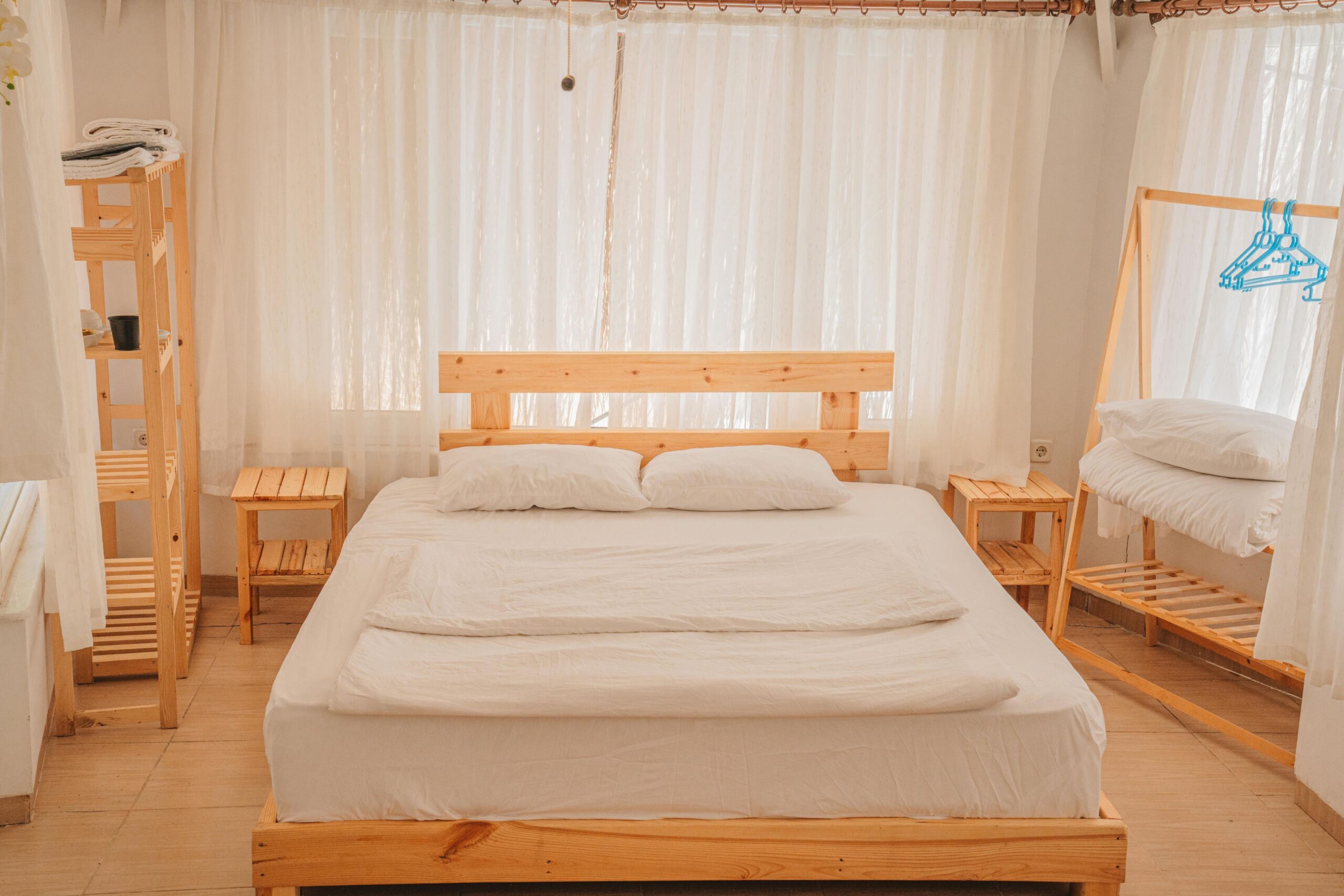
Wooden skids are flat platforms used to support, store, and move goods across warehouses, factories, and shipping facilities. Unlike pallets, they have no bottom deck, making them lighter and easier to slide across smooth floors.

What Exactly Is a Wooden Skid?
Definition and Basic Structure
One of the oldest material-handling tools is a wooden skid that modern industry extensively uses. It comprises a top deck of wooden boards which workers fix onto two or more parallel stringers situated below. Workers use them to keep goods off the floor, protect products against moisture, and make loading and unloading quicker.
Where You Find Them
They can be found in factories, in shelves of stores, building fields, and shipping yards every day. Wooden skids are less complex and less expensive to make in contrast to standard pallets since they lack lower deck boards. Many industries popular them as heavy-duty static storage where workers store the products in a single location and do not have to move them frequently using a forklift. They are also easy to repair and maintain in the field due to their simple design.

Core Industrial Uses and Applications:
Construction and Manufacturing
Industries use wooden skids in a myriad of activities that extend well beyond mere storage. In construction, workers put heavy materials such as bricks, tiles and steel beams on them to ensure that all the work is contained and not on dirty ground. Manufacturers use them by placing them at the bottom of big machines when transporting or installing them, and they serve as a stable base.
Warehousing and Shipping
Warehouses use them to place the goods in orderly lines, enhancing the efficiency of floor space. The shipping and logistics industry stuffs them into containers and trucks to stabilize cargo when transported over a long distance. Food processing plants use the heat-treated versions to address international phytosanitary standards. Their versatility in these varied environments is an indication of how feasible and economical they are despite the introduction of newer plastic and metal versions.
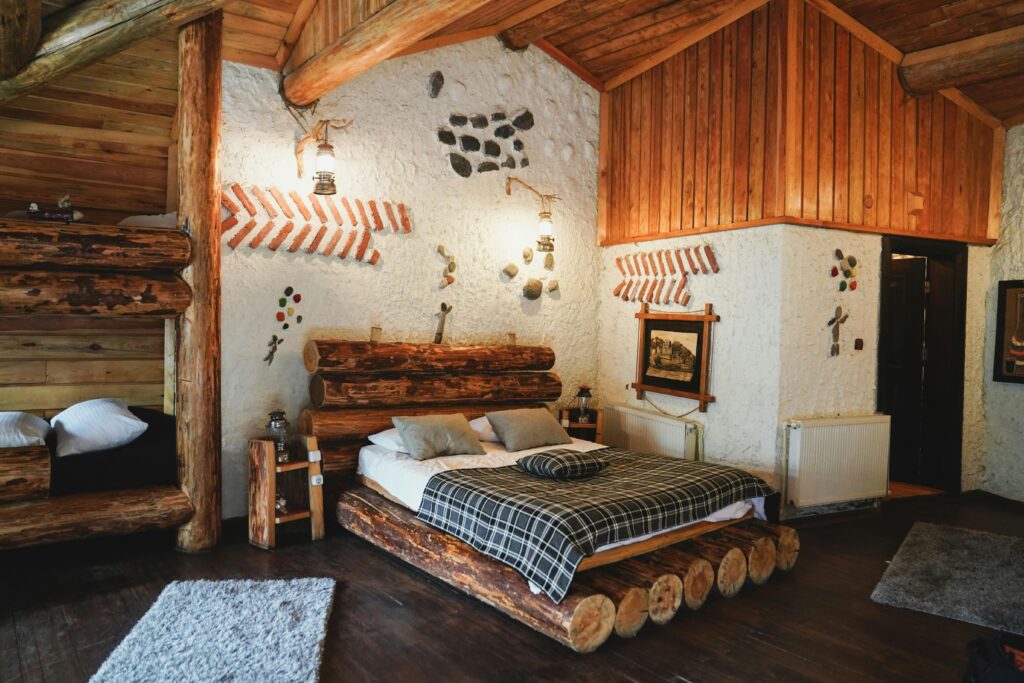
Key Benefits of Using Wooden skids Platforms in Industry:
Cost and Availability
The benefits of industrial storage and transport on wooden platforms are not only practical but also financial. Most of the world has wood which is easy to source locally, cheap and highly available. Once a board cracks or breaks, a worker can replace only that part, instead of dismantling the whole structure, and this is a cost-saving in the long run.
Performance and Sustainability
Wood is natural and has a gripping effect and in case of any kind of transport, the cargo will not roll or slide unlike plastic materials which are slippery. Wooden platforms are biodegradable as well, and therefore a more environmentally friendly option when properly disposed of. They can carry heavy loads and the standard models can carry up to 1,000 to 3,000 pounds depending on design and type of wood used. Companies with limited budgets always opt to use wood since it provides them with good performance at one-tenth of the price of the metal or engineered materials.
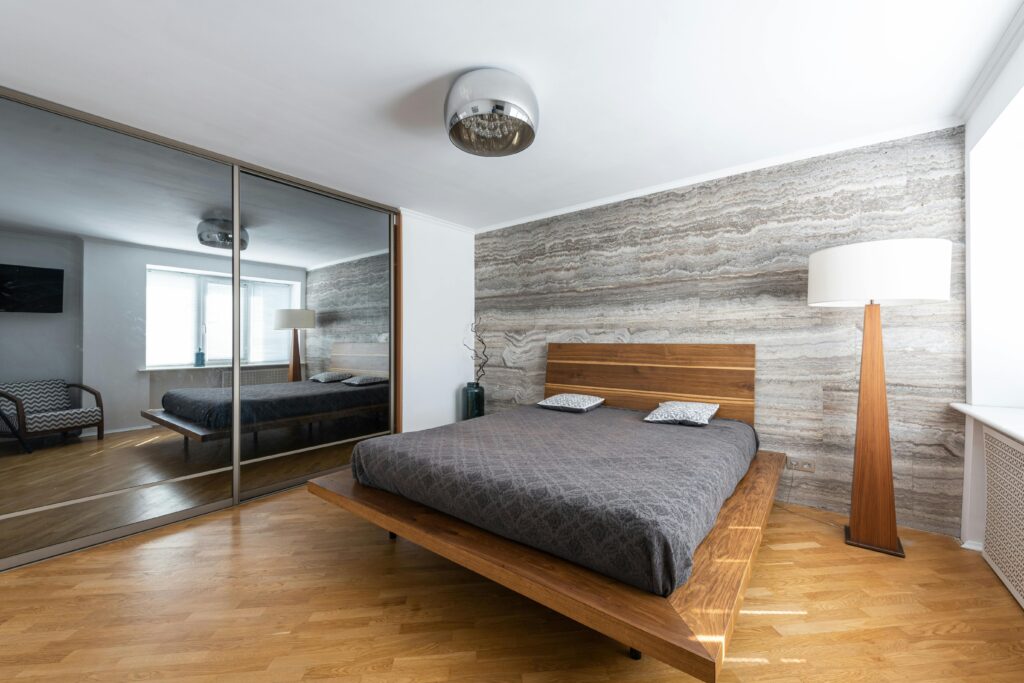
Creative Wood Skid Ideas for Reuse and Repurposing:
Home and Garden Uses
After industries finish with the wooden skid’s industrial uses, inventive minds can think of numerous clever ways to reuse it. The wood skid concepts are as diverse as garden planters and compost bins, as outdoor furniture and ornamental wall panels. Most house owners break them down and re-purpose the single boards in DIY flooring or rustic shelving unit projects.
Community and Artistic Projects
Community organizations gather used ones to construct cheap buildings to small farms or storage sheds. The reclaimed wood with its distressed texture is used by artists to make unique sculptures and frames. Reusing used skids will decrease landfills and offer inexpensive or free material to use in a creative project. Even the simplest equipment and a few hours allow practically any person to turn a useless platform into something useful and good-looking.

Wood Skid Furniture: Turning Industrial Material Into Home Decor
The Rise of Reclaimed Wood Furniture
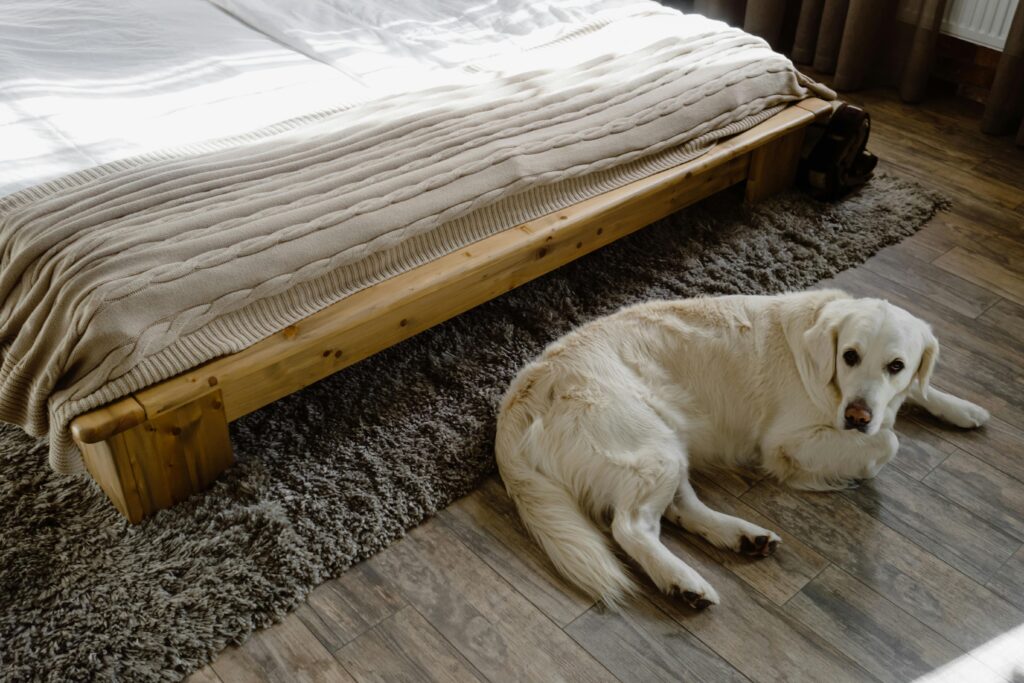
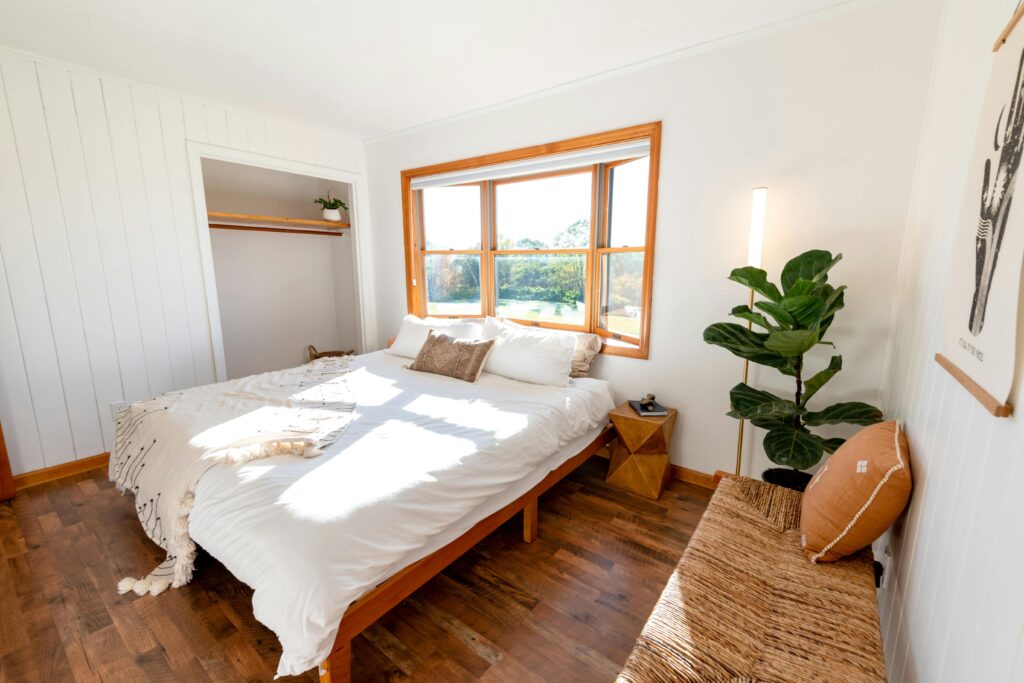
The popularity of wood skid furniture has increased tremendously in the last ten years as people adopt industrial style interior design. Furniture makers and crafters cut, sand, and finish skid boards to make coffee tables, bed frames, bookshelves, and some entire dining sets. The natural grain and rough texture of reclaimed wood gives each piece a character that mass-produced furniture can never reproduce.
Business and DIY Opportunities
Several small businesses are currently selling handmade skid furniture over the internet and in their local markets, making a green practice a lucrative business. Proper finishing techniques, such as staining, painting, or sealing, can make them durable and beautiful additions to any home. The cheap cost of materials implies that even over boarded furniture would not be expensive in comparison to purchasing new items at a store.
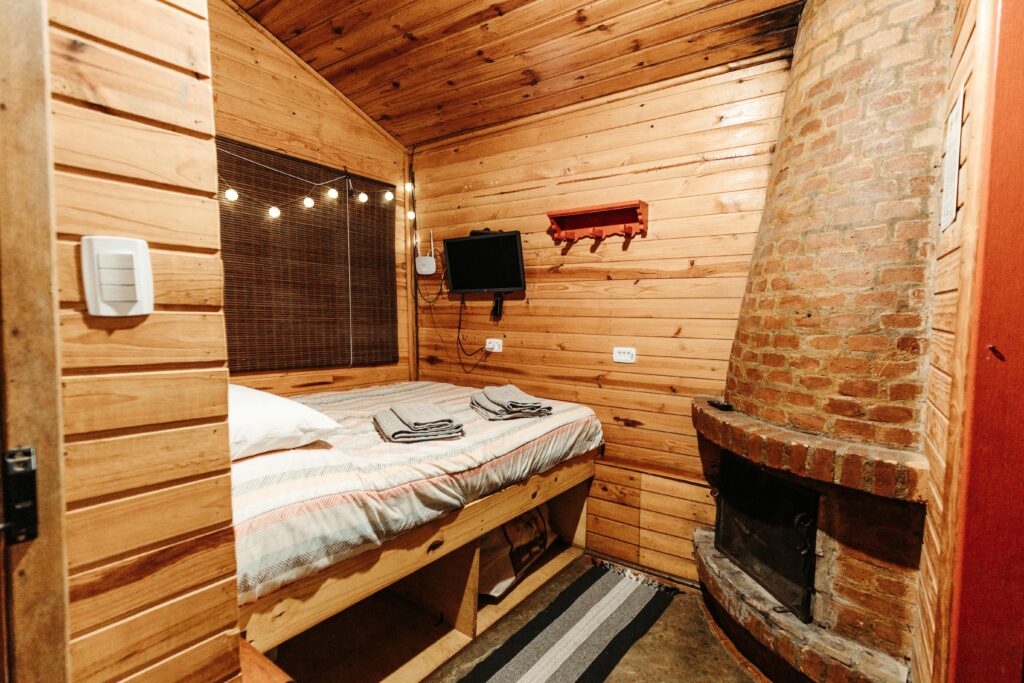
Skid Wood Wall Panels: A Popular Design Trend
Why Designers Love Reclaimed Wood Walls
Skid wood wall panels as an interior design material have been a trendy option in residential, cafes, restaurants, and offices worldwide. The texture and warmness of natural wood that paint or wallpaper can hardly imitate is the rustic appearance that makes it warm. To create impressive visual effects, designers put up reclaimed boards in a horizontal, vertical, or herringbone design.
Installation and Finishing Tips
The skid wood wall installation especially works in open space areas, highlights walls behind a bed or sofa, and creates a casual feel in a business setting where one is required. The boards are light, easy to cut and are easy to attach to drywall directly using adhesive or small nails. Most individuals also clear lacquer the wood so as to maintain the natural color and shield the wood against dust and humidity. The design solution offers a combination of sustainability and aesthetics in a manner that attracts many tastes and budgets.

Top Wooden Skid Providers: Brand Comparison Table
| Brand | Key Features |
| CHEP | Global network, heat-treated, rental model, ISPM-15 certified |
| PECO Pallet | Reusable pooling system, consistent quality, North America focused |
| Millwood Inc. | Custom sizing, domestic hardwood, high load capacity |
| Pacific Pallet | Eco-friendly sourcing, fast turnaround, West Coast distribution |
| Kamps Pallets | Recycled and new options, nationwide US coverage, repair services |
Popular Wood Skid Projects for Beginners and DIY Enthusiasts:
Easy Starter Projects
Wood skid projects are a good entry point to those who are new to woodworking. Basic novice projects involve garden raised beds, small benches, storage crates and stand flower pots. Intermediate builders more commonly work on outdoor lounge chairs, swing seats and pergola frames manufactured using disassembled boards.
Advanced Builds and Online Resources
More advanced DIYers have constructed complete garden sheds, fences and even small home-like structures using reclaimed material. Video sites and forums are full of step-by-step instructions to lead novices through every step, including finding safe untreated boards to use the last layer of weatherproofing. The fulfillment of the need to create something useful out of wasted material at a low cost is what makes such projects attractive to all ages and abilities.

Wooden Skid vs Granite: A Practical Comparison
| Feature | Wooden Skid | Granite Surface |
| Weight | Light to medium | Very heavy |
| Cost | Low | High |
| Durability | Moderate (repairable) | Very high |
| Best Use | Industrial storage, transport, DIY | Countertops, flooring, lab surfaces |
| Eco-Friendly | Yes (biodegradable) | Partial (quarried stone) |
| Customizable | Easily cut and shaped | Requires professional cutting |
| Moisture Resistance | Low without treatment | Naturally high |
| Repair | Easy and cheap | Difficult and costly |
Which One Should You Choose?
The purpose of wooden skids and granite is entirely different. Wood prevails in the cost, flexibility and the repairability. Granite tops in terms of durability, surface finish and aesthetics. The decision to use either of them is solely based on the application.
Final Thoughts:
Wooden skids are still considered to be one of the most convenient, inexpensive and multi-purpose tools in the industrial and domestic world. Their applications in terms of the floor of warehouses, as well as their use in the luxurious living room furniture, are truly amazing. Wood skids offer a stable value whether you are in need of a stable platform to transport heavy goods or raw materials to your next DIY project. Their affordability, easy maintenance, and increasing use in eco-friendly design make them an excellent option to both businesses and homeowners..
Frequently Asked Questions (FAQs)
Q1: What is the difference between a wooden skid and a pallet?
A skid does not have any bottom deck boards whereas a pallet has a top and bottom deck. On smooth surfaces, skids are simpler to move whereas pallets are well suited with forklifts.
Q2: What is the maximum weight that a typical wooden skid can support?
The most common ones have the capacity of between 1,000 to 3,000 pounds, depending on the wood used and the general quality of the construction.
Q3: Can used wooden skids be used in home DIY projects?
Yes, however, never neglect to check any chemical treatments or stains. Boards with the label of HT are safe. Do not use boards with MB on them, indicating fulminated with methyl bromide.
Q4: What is the life span of a wooden skid?
Properly taken care of, it can be used in industry for up to 3 and 5 years. Re-used and refurbished boards can be even longer.
Q5: Does that mean that wooden skids can be recycled?
Yes. They can be reused as furniture or decor, reused as a mulch, or recycled as biomass fuel.