
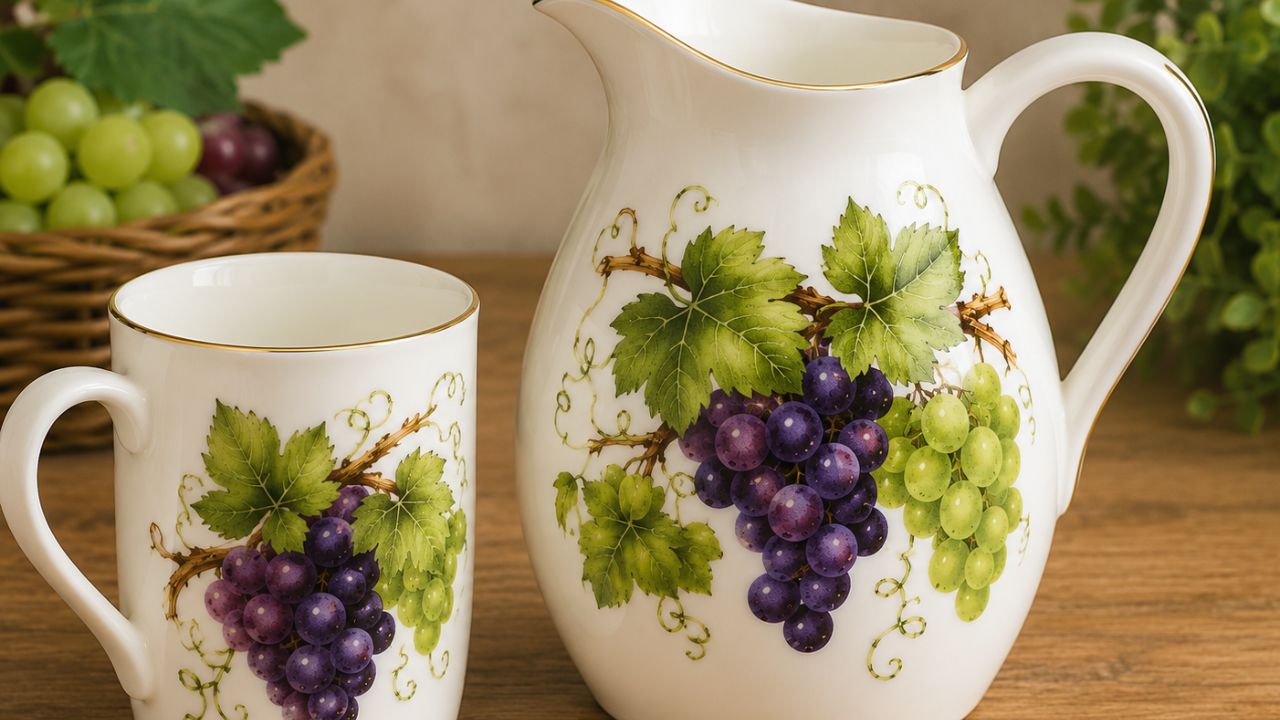
If you’ve ever wandered through an antique shop and spotted a white, opaque pitcher covered in a raised grape design, you already know the quiet charm of a milk glass pitcher with grapes. These pieces carry a warm nostalgia that modern decor rarely matches. Whether you’re a seasoned collector or just starting to explore vintage home styling, this guide walks you through everything worth knowing about these timeless pieces.
What Makes Milk Glass Special
A Rich Historical Background
Milk glass was a product of Venice in the 16th century, but became popular in the 1950s and 1960s in the USA. The creamy opaque appearance is due to the addition of compounds such as tin oxide during the glass-making process. Other brands such as Westmoreland, Fenton and Imperial made it affordable enough for the general family to use, without fine china, and to set beautiful tables.
Why the Grape Pattern Became Iconic
They were all handcrafted with the raised grape clusters that added a touch of authenticity at a larger scale. The grape motif is different from painted designs, because it is directly molded into the glass and will not fade. Its durability, coupled with its appearance, resulted in the milk glass grape dish and pitcher becoming an American household favorite.
The Grape Design: Style That Endured
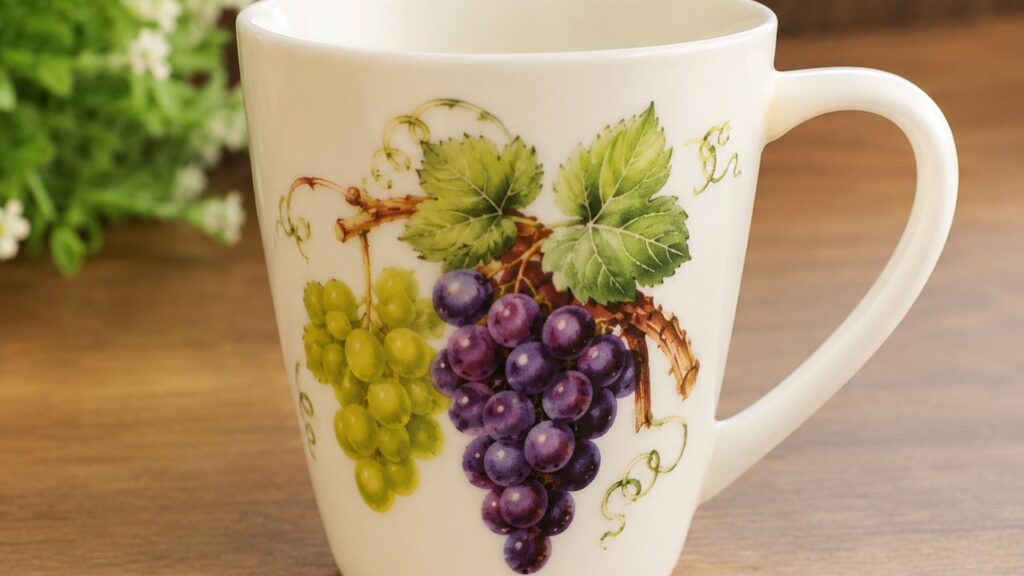
What the Pattern Actually Looks Like
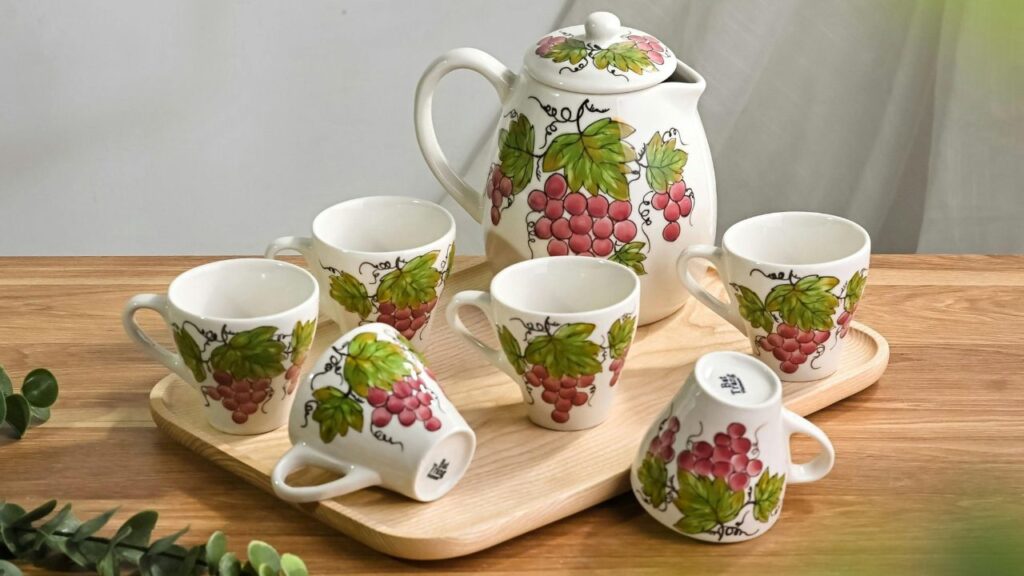
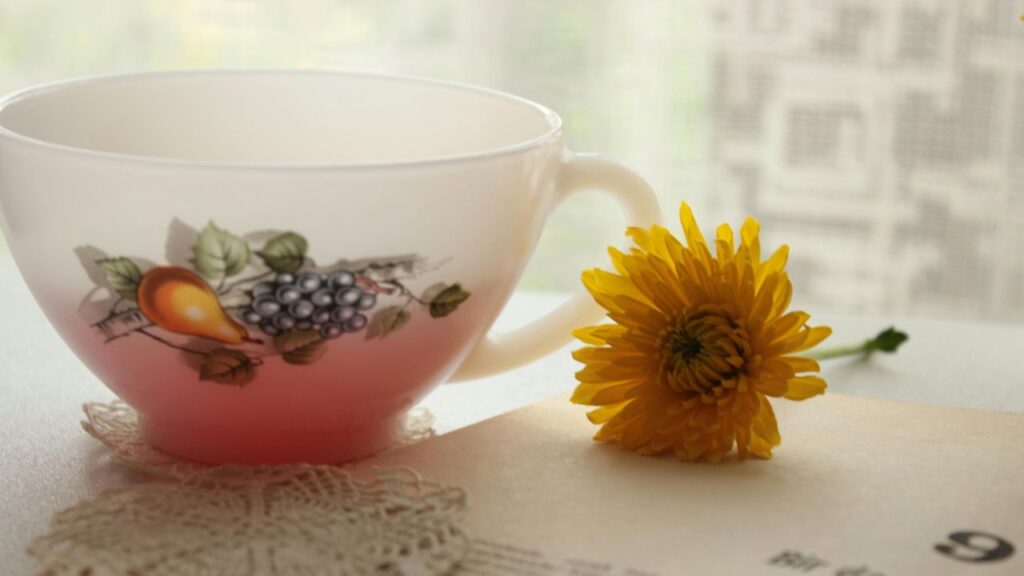
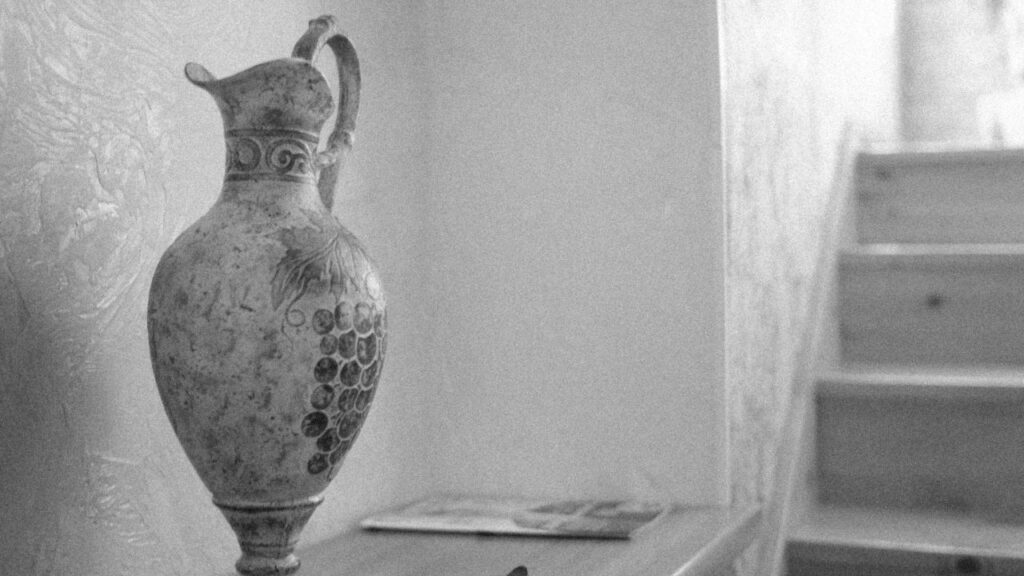
Broad leaves and curved vines with clusters of grapes are all a part of the mold itself. Smooth, running hands over the surface, you feel all the curves, that’s what’s still been attractive to collectors. It can be used to create a complete matching set, as it can be found on pitchers, goblets, bowls, and creamers.
Why It Still Works in Modern Homes
The grape pitcher looks great in farmhouse, cottagecore and even transitional interior design. Keep on open kitchen shelves or decorate as a dried flower vase or display fresh fruit on a wooden tray. A set of milk glass goblets and a set of grape pattern ones when placed together make a strong vintage appeal but even a single piece makes for a strong impact.
Shopping Guide: Top Five Brands
When shopping for grape-pattern milk glass, knowing the major manufacturers helps you buy smarter. Here’s a quick comparison:
| Brand | Era | Key Features | Collectibility |
| Westmoreland Glass | 1889–1984 | Fine detail, consistent white tone | Very High |
| Fenton Art Glass | 1905–2011 | Hobnail and grape combos, blue-white tint | High |
| Imperial Glass | 1901–1984 | Heavy weight, bold grape relief | High |
| Anchor Hocking | 1905–present | Affordable, widely available | Moderate |
| Indiana Glass | 1904–2002 | Smooth finish, great for everyday sets | Moderate |
Westmoreland and Fenton command the highest collector prices. Indiana Glass and Anchor Hocking are easier to find at flea markets and estate sales at friendlier prices.
Where to Find Authentic Pieces
Best Places to Shop
Carefully stored for decades, there are whole sets at the estate sale. At antique malls, and at any mall for that matter, you have the all-important opportunity to handle the items before purchase — always check the relief of the grapes for sharpness! Many sites such as Ebay and Etsy have large warehouses, but at all times, inspect images with caution for chips in the mirroring or repair work.
Budget-Friendly Options
There is a place to find real treasure here and there and for not a lot of cash, such as at Facebook Marketplace and thrift stores. When decorating, instead of a serious collection, Mosser Glass has been known to provide a good and cheap alternative with its reproduction pieces.
Caring for Your Milk Glass Collection
Cleaning Tips That Actually Work
Always use warm water and gentle soap to hand wash milk glass. Wave action on the surface dulls over time, especially in the case of dishwashers. Dry quickly with a soft cloth so as to avoid water spots. Yellowed – If there are yellowed pieces, ease the solution of denture cleaning tablets into places to see the surface become bright, without damaging the surface of the glass.
Storage and Display
Keep soft cloth pieces in between with each piece of glassware to keep them from scratching. Avoid regular direct sunlight as they will discolour a little over time. Use Milk Glass pitcher pieces to decorate as well as use grapes in their functional capacity — how they were always meant to be used.
FAQs
Q: How do I identify a genuine vintage piece?
You can see “WG” and an oval logo on the Westmoreland and Fenton respectively. Grape relief is about as sharp as it gets, as is the warm white tone – which are certainly vintage traits.
Q: Is vintage milk glass safe for drinks?
Productions pre-dating the 1970s can contain lead or arsenic that were used in previous glass manufacturing: Use them for presentation or display or select post-1980 pieces for every day’s drink.
Q: Can I mix different brands in one display?
Yes. There are minor differences of tones and detail which provide visual interest. In most collections, mixed brands are not a problem when it comes to creating a grape-pattern theme.
Q: Are complete goblet sets hard to find?
Complete sets are hard to come by that are in excellent condition. Most collectors gradually start by buying pieces of milk glass and/or grape pattern time frame.
Q: What’s the difference between milk glass and opaline glass?
The difference between milk glass and opaline glass is that opaline glass has a silica content greater than 95%. The Opaline’s appearance is slightly translucent and iridescent. The milk glass is more distinct, white, and non shiny.
Final Thoughts
The milk glass pitcher decorated with grapes is not just a pretty thing, it’s a part of the American home story. The soft white elevation, solid craftsmanship and raised grape design are typical for its ability to remain contemporary across generations. Grape-pattern milk glass comes with a pay-off for imagination and the eye, whether you’re a full-fledged collector or just looking for that one pretty cup you can place on your kitchen counter. Begin to get one pitcher’s jacket and build it up progressively.