
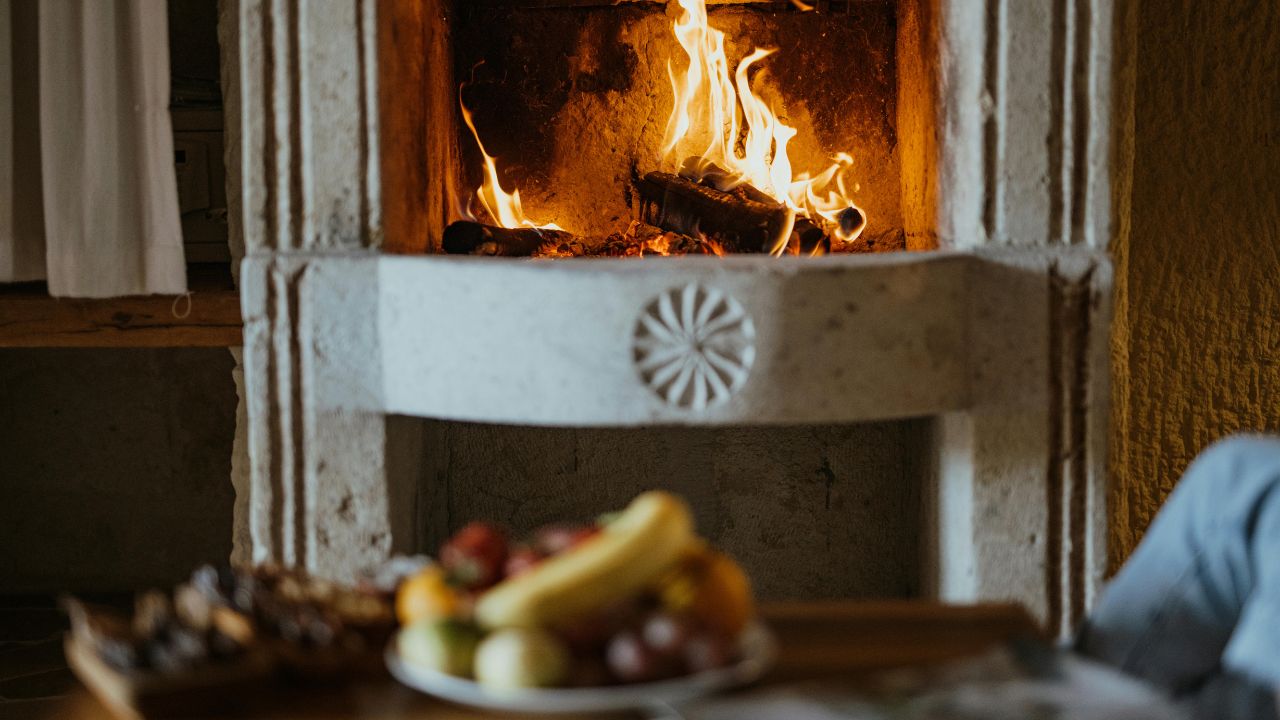
There is something timeless about gathering around a warm, beautifully crafted fireplace — and few designs capture that feeling quite like a kiva fireplace. Rooted in the architectural traditions of the American Southwest, this rounded, adobe-style hearth has made a remarkable comeback in modern interior design. Whether you are renovating a home in New Mexico or simply drawn to its earthy, organic aesthetic, understanding what makes this fireplace style so special can help you make a smart, informed decision for your space.
What Is a Kiva Fireplace?
Origins and Cultural Roots
A kiva fireplace is a free-standing or corner-built fireplace, with a characteristic rounded, beehive-shaped form typically built of adobe, plaster or natural clay. It dates back to the Pueblos of the American Southwest, who several centuries ago built similar round constructions where they performed ceremonies and heated themselves. The term kiva denotes a sacred curved room employed by indigenous population, and the design of the fireplace directly takes that iconic curved shape.
Evolution Into Modern Design
Spanish colonial settlers later adapted this style and blended it into the architecture of modern-day New Mexico and Arizona. People now regard it as the fusion of cultural history and modern-day design because it warms any space, pleases the eye, and anchors a room without overpowering it.
The Core Appeal of the Southwestern Fireplace:
Why Homeowners Love It
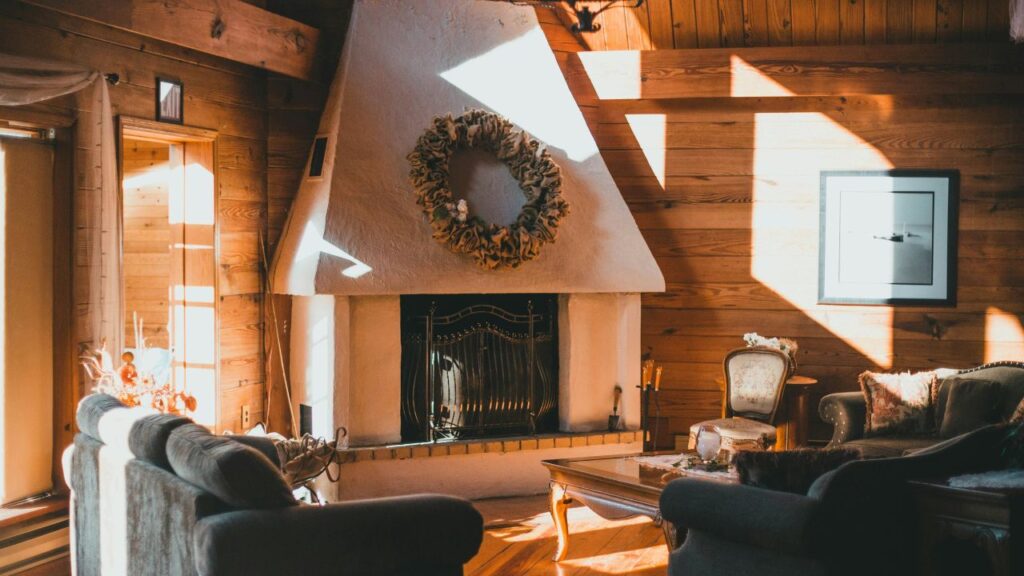
The secret of what makes the southwestern fireplace so desirable in modern homes is the possibility to experience a rustic and refined look simultaneously. In contrast to the traditional brick fireplaces with harsh lines and formal symmetry, the style is inclined to organic shapes and natural textures that automatically make any space softer. The rounded edges, smooth plaster finish, and slightly elevated firebox opening, form a focal point that feels sculptural as opposed to merely functional.
Interior Style Compatibility
It is quite compatible with warm earthy colors; terracotta, ochre, sand, and sage; and it suits well with Southwestern interiors, Bohemian interiors, Mediterranean interiors, and modern minimalist interiors. The thick adobe or plaster construction also takes in and then slowly radiates heat making it a truly efficient source of heating in the dry and cooler climates found throughout the Southwest.
How an Adobe Fireplace Is Built:
Traditional Construction Process
Constructing an adobe fireplace is a more complicated process than a typical prefab installation, but still the end result is a very custom one. Builders construct it on a strong masonry foundation using adobe bricks or cinder blocks as its core. They then apply layers of adobe mud or cement plaster by hand over the frame to form the characteristic curved walls and arched openings to the firebox that define the style.
Modern Building Methods
Firebrick typically lines the firebox to resist high temperatures, while a smoke chamber directs gases up through a simple vertical flue. Many modern builders now commonly use a steel or prefabricated firebox insert as their core, then plaster the exterior to achieve the traditional appearance while improving performance standards and simplifying long-term maintenance.
Choosing the Right Kiva Fireplace Insert:
What Is an Insert?
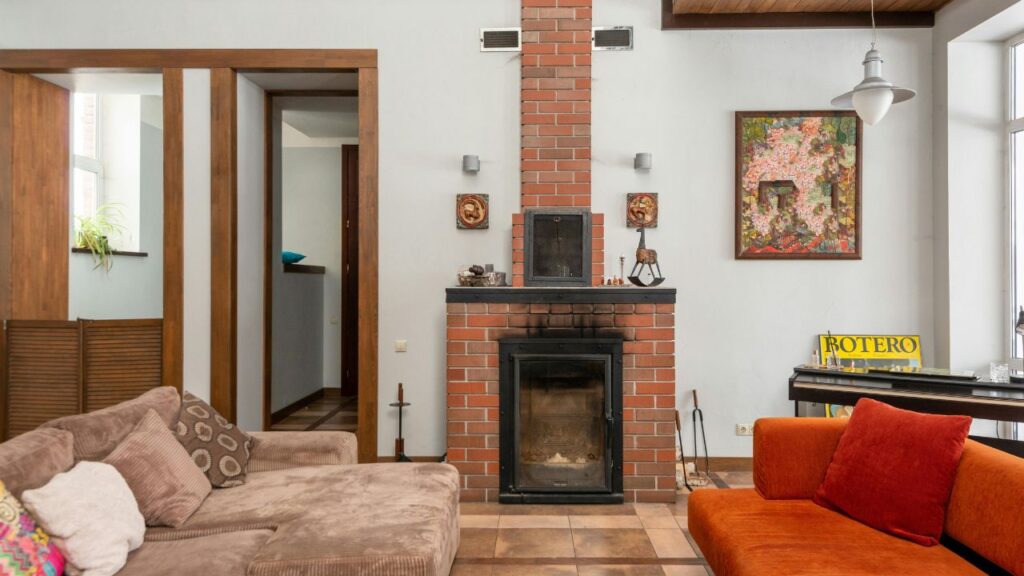
A kiva fireplace insert is a great practical solution, in case you already have an existing fireplace opening. They consist of ready-to-assemble units – crafted of steel or cast iron – designed to install into an existing firebox and provide the rounded appearance of the traditional style. They save a lot of time and money as opposed to a complete masonry construction starting with a clean slate.
Fuel Types and Selection Tips
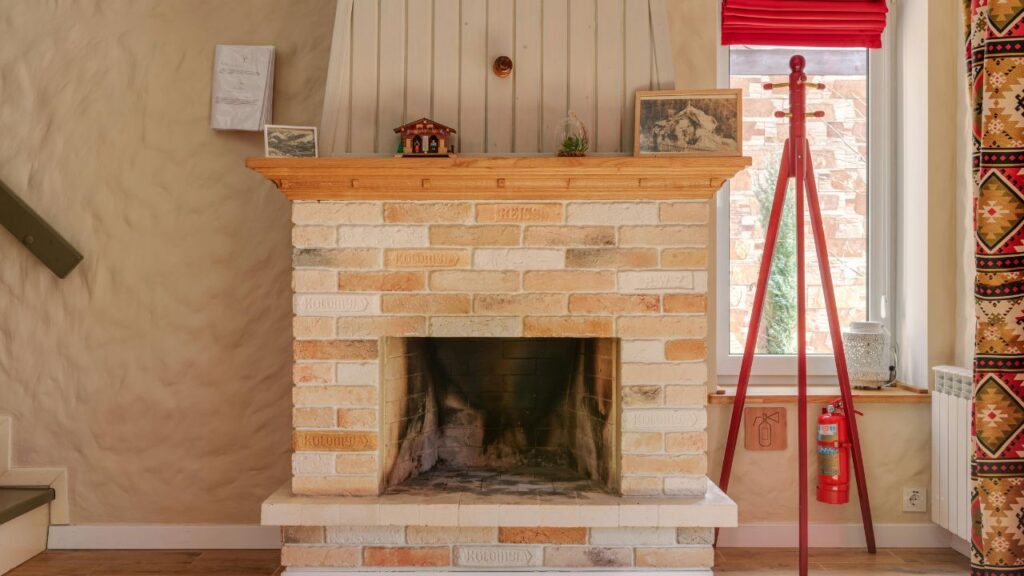
The inserts are in wood burning, gas and electric varieties and provide flexibility to the homeowners depending on the fuel type and the local building codes. Gas inserts are particularly common as they have realistic flame effects, easy ignition and precise heat control. In selecting one, consider BTU output, size of the firebox, and the presence of a blower to spread the heat more evenly throughout the room.
Top Brands and Features at a Glance
| Brand | Material Options | Fuel Types | Key Feature | Style Compatibility |
| Temco Fireplace | Steel, Cast Iron | Wood, Gas | High heat output, durable lining | Traditional, Rustic |
| Superior Fireplaces | Refractory Panels | Gas, Electric | Clean-face design, easy install | Modern, Transitional |
| Heat & Glo | Steel Firebox | Gas, Electric | SmartStat thermostat control | Contemporary, SW Style |
| Enviro | Cast Iron | Wood, Gas Pellet | Eco-certified, high efficiency | Rustic, Minimalist |
| Empire Comfort Systems | Aluminized Steel | Gas, Electric | Variable flame and heat settings | Southwestern, Modern |
Design Tips for Your Space:
Placement and Color Choices
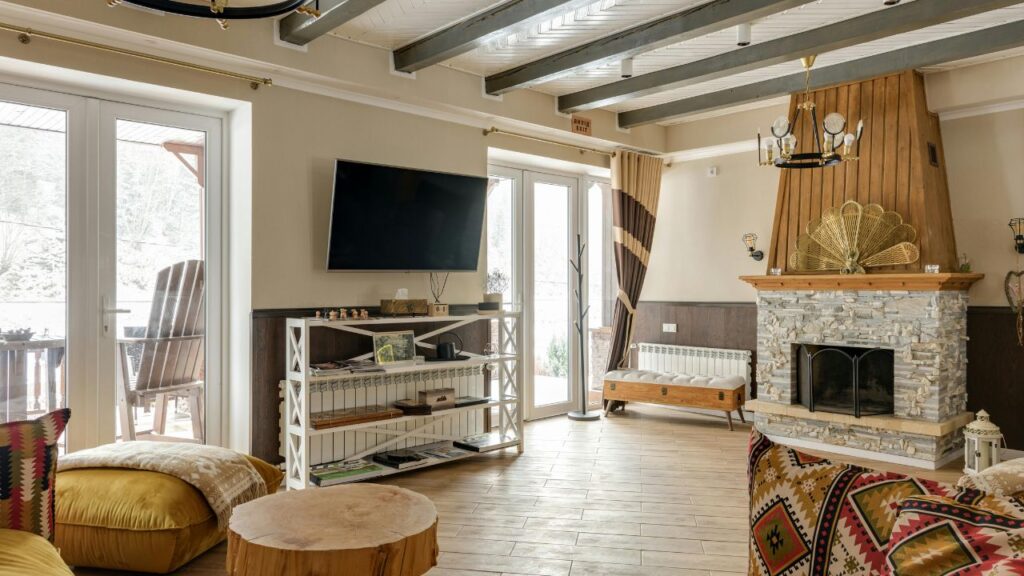
It is not just the hearth that you need to integrate this style in your home, the same thing applies to the surrounding design choices. Select a wall color or plaster finish that compliments the earthy coloring of the fireplace; warm whites, clay pinks and sandstone beiges all are good. It should be put in a corner and not against a wall in order to create the maximum sculptural effect and to create a natural snuggle feeling around it.
Materials and Lighting
Use natural materials like woven rugs, leather cushions, terracotta pots, and rough-hewn wood. Avoid large, smooth, or industrial objects near the fire. They clash with its rounded form. Add low-level lighting around it. This enhances the warm glow and shadows it creates.
Maintenance and Long-Term Care:
Annual Inspection Checklist
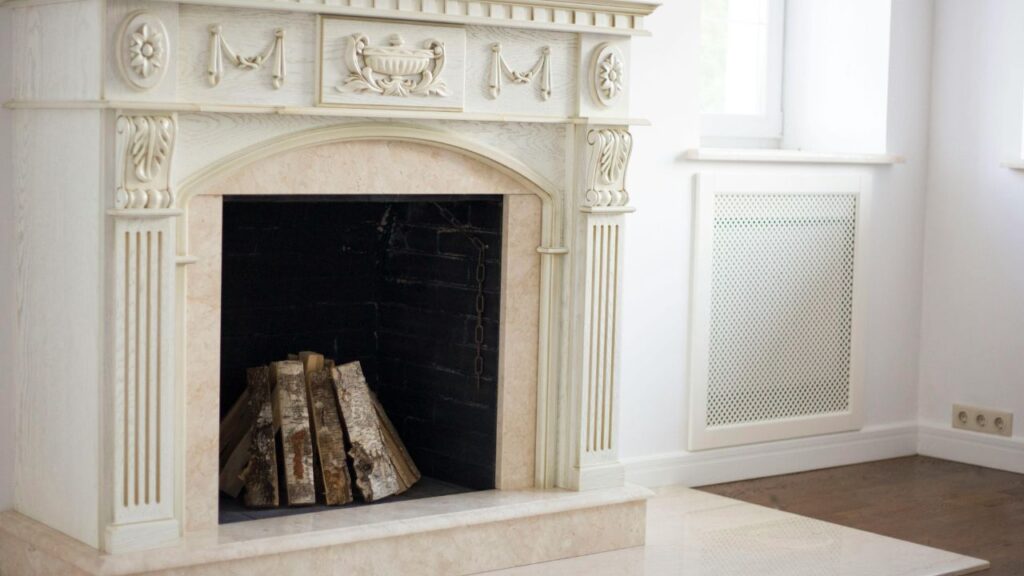
To maintain this kind of fireplace in a good condition, it is necessary to provide regular yet simple maintenance. Check plaster exterior against cracks every year, this happens naturally due to expansion and contraction of the thermal activity. Small cracks in the hairline can be fixed with a matching adobe patch mix that can be found in most masonry supply stores and thus should not be ignored when they occur.
Seasonal and Climate-Specific Care
Have firebox and flue checked and cleaned annually by certified chimney sweep irrespective of type of fuel. In areas where it is raining or humid, coating the exterior plaster with a breathable masonry sealer would help to avoid moisture damage. By proper attention, the stout fire of this type will last many decades, and only become more interesting with age.
Final Thoughts:
A kiva fireplace is much more than a heating device – it is a design solution, based on hundreds of years of cultural heritage and integrity craftsmanship. This style adds coziness, personality and picture to any house, regardless of whether you choose a full adobe construction or a modern insert with a smooth plaster surround. Its popularity continues to grow as more homeowners seek spaces that feel grounded, personal, and connected to natural materials. If you need a fireplace that serves both as a functional heat source and a living piece of art, this is a decision you will never regret.
FAQs:
Q: Is it possible to install it in a non-Southwestern house?
Yes – it has organic lines that are bohemian, Mediterranean, and modern farmhouse when combined with the appropriate colors and materials.
Q: Is it energy efficient?
Adobe is naturally thermal. The efficiency of modern gas inserts can be more than 70 percent, which makes gas inserts a good heating option.
Q: What is its price?
Custom masonry runs $3,000–$10,000. Prefab insert alternatives that have plaster surrounds are relatively cheaper.
Q: Should I have a special chimney?
Standard flue is required with wood-burning models. The gas inserts normally have a direct-vent with an exterior wall.
Q: Can I DIY it?
The small plastering jobs are easily approachable by DIY. Full builds – Fire-safety and structural work should be left to licensed contractors.
.