
If you’ve ever tried to enjoy your backyard on a blazing summer afternoon, you already know how quickly the sun can chase you back indoors. A waterproof shade sail is one of those solutions that genuinely changes how you use your outdoor space — not just for a season, but for years. It’s practical, it looks great, and it fits into almost any backyard, patio, or garden setup without requiring a full renovation. What makes these sails stand out from regular shade options is their ability to handle both sun and rain, giving you real all-weather protection rather than just a break from UV rays. This guide breaks everything down into three clear categories — home decor, buying decisions, and technical details — so you can find exactly what you need without wading through confusing jargon.
Home Decor & Outdoor Aesthetics
Patio & Garden Styling
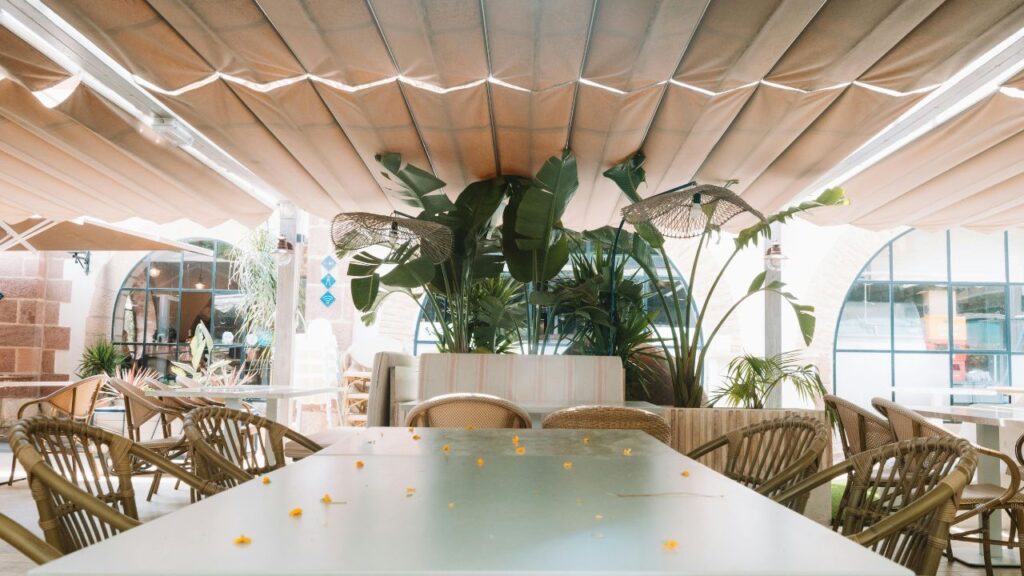
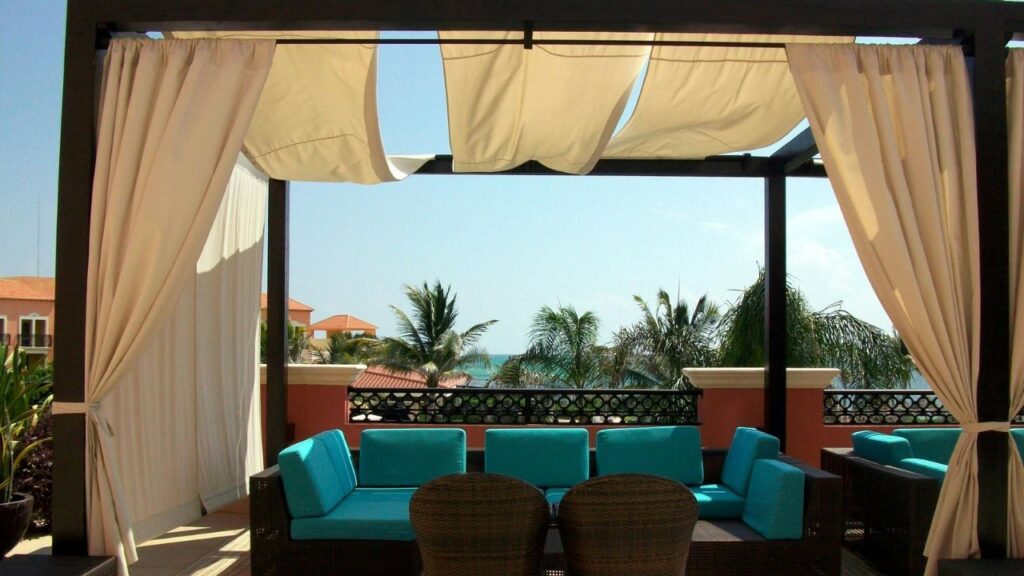
Picking out a waterproof shade sail for your patio doesn’t have to be like decorating your home, but making a few smart choices ahead of time can make a big difference in how the final product looks. The shape is the first thing to think about. Triangular sails work better in tighter or irregular spaces and give a sharper, more modern look. Square and rectangular sails, on the other hand, feel more structured and work better over defined seating or dining areas.
Most people don’t think about it, but the colour you choose is very important because the sail will be the most visible thing in your outdoor space most of the day. Softer colours like stone, warm white, or olive go well with plants and wood furniture in the garden. Darker colours like charcoal or navy make the look more modern and dramatic. Adding outdoor string lights under the sail at night is a simple way to change the mood of the space without having to build anything or spend any money.
Pool Areas & Outdoor Entertainment
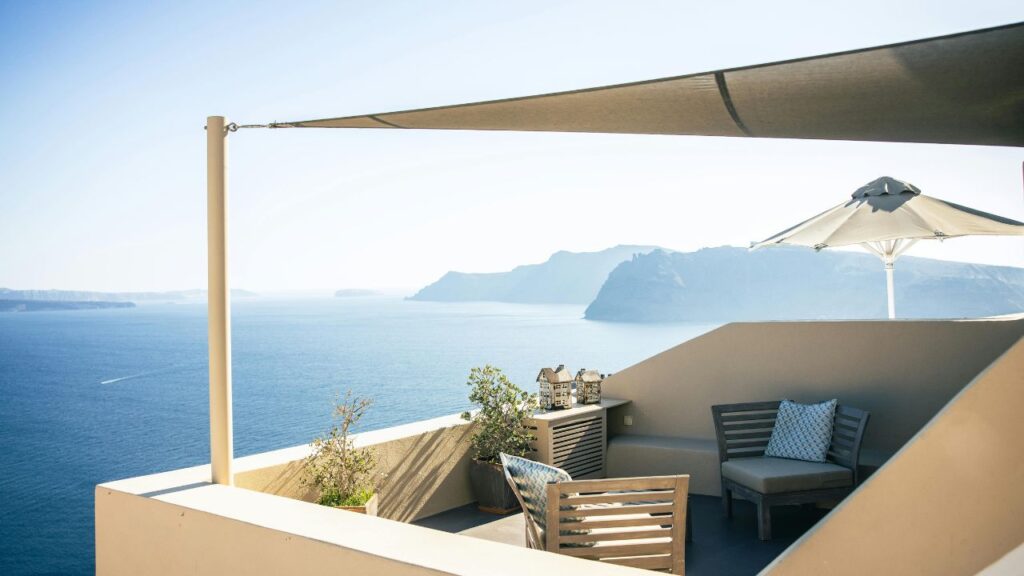
A poolside setting puts any shade product to the test. The water reflects bright sunlight, there is always humidity, and the UV rays last a long time, which quickly breaks down weaker materials. A heavy-duty waterproof shade sail is much better at handling all of this than a retractable awning or a freestanding umbrella. This is mostly because it stays in place and the fabric can handle being wet for a long time without falling apart. A sail over the pool deck also helps to define the space visually, making it easy to see where the lounging or dining area is and where the open pool area is.
Shade sells comfort. A well-designed poolside canopy transforms a simple drying spot into a true destination, keeping guests relaxed and lingering. As a bonus, a correctly positioned sail can cool the water during peak heat — a perk many pool owners love.
Buying Guide & Product Selection
Making a Smart Purchase Without Regretting It Later
The waterproof shade sail market is very competitive, and it’s easy to buy something that looks good in a picture but falls apart after a year of use outside. The most important thing to check first is the fabric specification. This includes not only the general description, but also the actual GSM weight, the percentage of UV blocking, and whether the waterproofing is a coating on the surface or built into the fabric itself. Waterproofing that is put on the surface tends to wear out faster, especially in places with a lot of UV light.
On the other hand, fabrics that have water resistance built into the weave tend to last a lot longer. The second thing that most buyers forget is corner hardware. Cheap pressed steel rings rust quickly, and if one of the corner fittings breaks, the tension on the whole sail is ruined. In the long run, paying a little more up front for a sail with stainless steel D-rings and reinforced corner patches almost always saves money.
Top 5 Shade Sail Brands — Features at a Glance
| Brand | Material | UV Block | Waterproof Rating | Warranty | Hardware Included |
| Coolaroo | HDPE Knitted Fabric | 90–95% | Water Resistant | 10 Years | No |
| Sunnylaxx | PVC-Coated Polyester | 98% | Fully Waterproof | 5 Years | Yes |
| Artpuch | 185GSM Oxford Fabric | 95% | Fully Waterproof | 3 Years | Yes |
| ShadeMart | Solution-Dyed Acrylic | 97% | Fully Waterproof | 5 Years | Partial |
| Shade&Beyond | HDPE 160GSM | 95% | Water Resistant | 3 Years | Yes |
Sizing, Anchoring and Keeping It in Good Shape
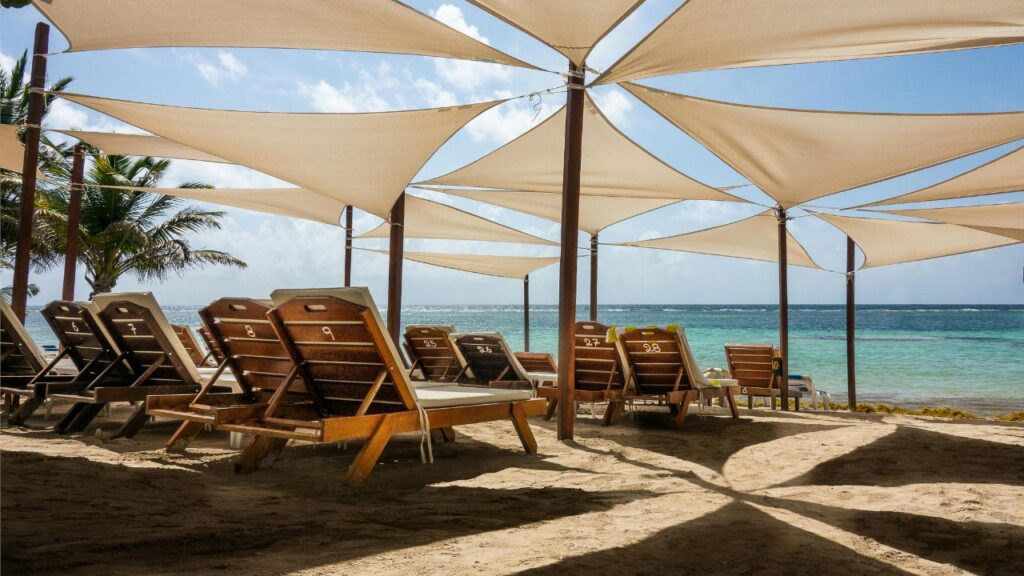
Many buyers miscalculate sizing because sail dimensions don’t reveal how much coverage shrinks when you angle the sail — which you always should for proper water runoff. When choosing a size, it’s best to add 20–30% to the area you measured. If you’re between two sizes, always round up instead of down. For posts, galvanised or powder-coated steel set in concrete with a slight outward lean gives you the structural stability you need to keep the right tension without the posts pulling inward over time.
Cleaning is easy: just use a soft brush, some mild soapy water, and a good rinse. To keep mildew from growing in the folds, let the sail dry completely before putting it away. Not only is it a good idea to take the sail down before big storms, but it’s also the best thing you can do to make the product last longer.
Technical & Fabric Details
The Real Difference Between Waterproof and Water Resistant
A lot of buyers get confused by this difference, and it really does matter the first time a heavy rain comes through. A water-resistant shade sail has a treatment on its surface that makes light rain bead up and run off. However, heavy rain will eventually push through the fabric, usually right above where you’re sitting. Truly waterproof sails use either coated or laminated fabric and carry a hydrostatic head rating that proves water cannot penetrate even under pressure. Solution-dyed acrylic or laminated HDPE leads this category as the top-performing materials. These materials stay waterproof for years of sun exposure instead of breaking down after one season. When you read product listings, don’t just look at the headlines. Look for the actual material specifications and test ratings. That’s where you’ll always find the honest answer about how well the product works.
Posts, Hardware and Getting the Tension Right
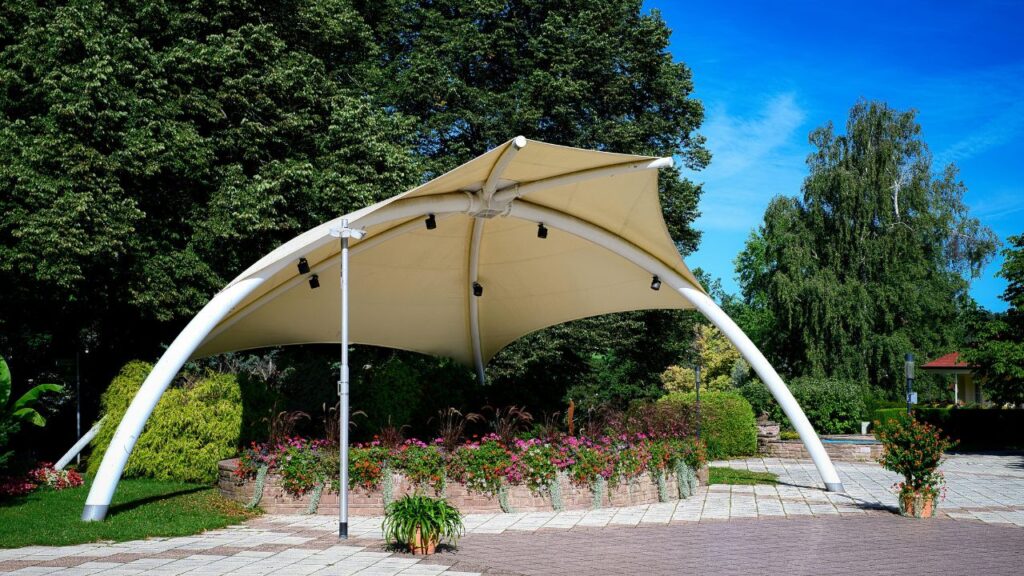
A lot of people make the mistake of spending a lot of money on the sail itself and then skimping on the hardware needed to install it. This almost always causes problems within the first year. The posts need to be strong enough to handle the sideways force that a tensioned sail puts on them, especially when the wind gets under it and makes that force much stronger. If you want a foundation that can handle real weather, not just calm days, use steel posts that are at least 100mm in diameter and set at a 10–15 degree outward angle in concrete footings. The corner rings on the sail should be made of stainless steel and rated for the span you’re covering.
Larger sails pull much harder at each corner than smaller ones, and hardware that isn’t big enough will break under that stress. It’s a balancing act to get the right amount of tension. If it’s too loose, the sail will flap all the time, which will wear out the fabric and stitching. If it’s too tight, you’ll be putting too much stress on the hardware and anchor points.
Final Thought
You will quickly see the difference a good waterproof shade sail makes in your outdoor space. You’ll spend more time outside, your garden or patio will be more useful all year long, and your home will look different from the outside. The most important thing is to make the right decision from the start: look at real fabric ratings instead of marketing headlines, buy the right hardware, and size up instead of trying to stretch a smaller sail further than it was meant to go. If you get the basics right, you’ll have an outdoor feature that is really worth the money you spent on it.
FAQs
1: Can I leave my shade sail up all year?
Yes, but you should take it down before heavy snow or big storms to keep it from getting damaged.
2: How do I clean it?
Every few weeks, give it a light rinse. Once a season, use a soft brush and mild soapy water.
3: Why is my sail sagging?
Usually, the posts are not angled correctly or have low tension. To fix it, slowly tighten each corner.
4: Does it block UV rays effectively?
Yes, sails with a UPF 50+ rating block up to 98% of UV rays.
5: How long does a shade sail last?
A good sail lasts between 5 and 10 years. Most budget options only last for 2 to 3 seasons.