
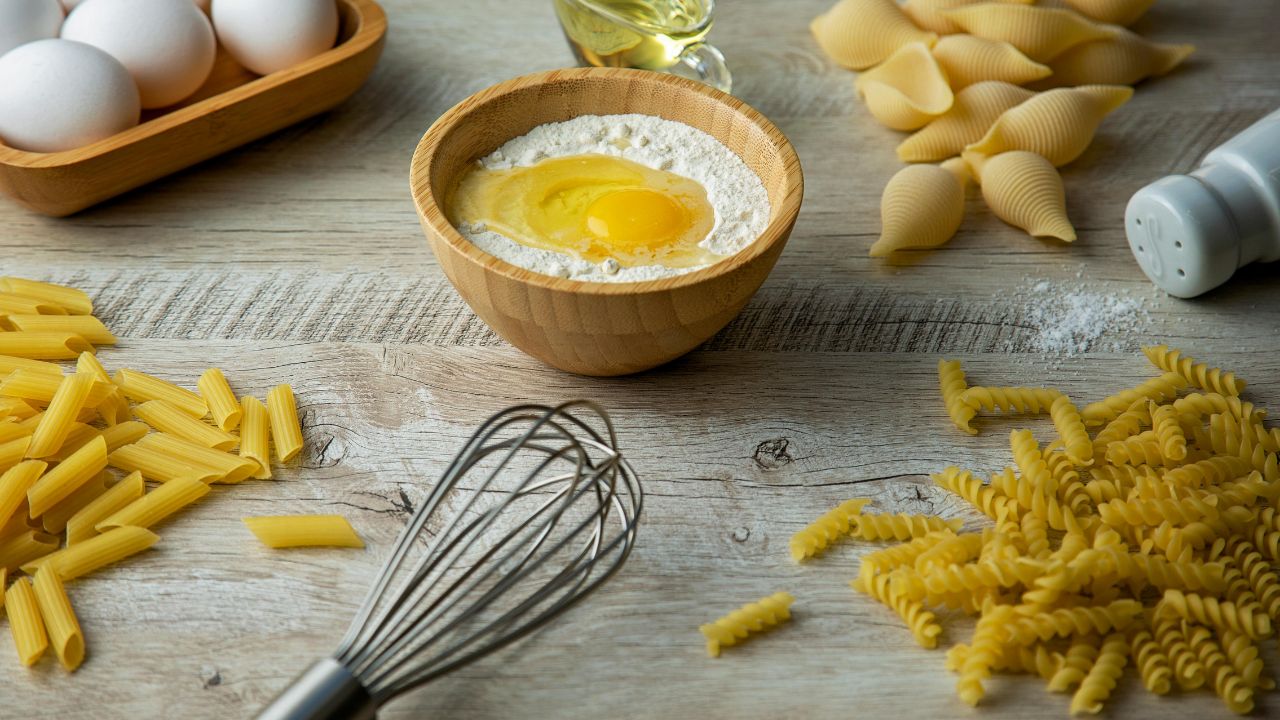
Most bakers start with a stainless steel or plastic bowl, and many never look back — until they try wood. A wooden dough trough naturally regulates temperature during proofing. Metal bowls get cold fast and slow down yeast activity. Plastic can hold odors and carry chemicals that subtly affect flavour. Wood, on the other hand, stays at room temperature longer, keeps your dough warmer, and creates an ideal environment for fermentation. That alone can improve your rise time and final loaf dramatically. Experienced bread bakers say the bowl itself becomes a silent tool — one that works with your dough, not against it.
The Science Behind Wood and Fermentation
Wood is slightly porous. Over time, this implies that a wooden bread dough bowl will soak up little amounts of flour, water, and yeast. A natural coating of helpful microbes develops up on the surface every time you use it. Bakers term this a “seasoned” bowl. It works like a sourdough starter by adding wild yeast and flavor to your dough without you having to do anything extra. This is why bread cooked in handcrafted dough bowls that have been passed down through the years tastes so different. The bowl itself is part of the recipe. Research into fermented foods also shows that wooden surfaces are better for lacto-fermentation than flat, non-porous materials like glass or steel.
Did you know?
Over time, a wooden dough mixing bowl that is used a lot will produce its own colony of natural yeasts and good bacteria. A lot of heritage bakers think their bowl is equally as important as their sourdough starter.
Types of Dough Bowls You Should Know
Traditional Wooden Dough Trough
The oldest type of dough container is a wooden dough trough. These are long and rectangular, and they are made from one piece of wood. Farmers and bakers in villages all over Europe utilized troughs to mix and proof big amounts of bread. They often worked as storage containers, too; dough could sit within them overnight, covered. They are popular in country kitchens and with serious sourdough bakers who wish to make a lot of bread. Their flat base makes folding easier, and their deep sides keep flour from leaking when mixing.
Round Wooden Dough Mixing Bowl
The round wooden bowl for mixing dough is the most popular choice among amateur bakers. It fits conveniently on a counter, works nicely for one loaf, and is easy to store. Many of them have a wide, shallow profile, which is perfect for the stretch-and-fold methods utilized in current artisan baking. The sizes go from 12 inches for small amounts to 18 inches for bigger recipes. Find one with a smooth inside and no sharp corners where the dough can hide and dry out.
Hand Carved Wooden Dough Bowls
Artisans make hand-carved wooden dough bowls using ancient equipment. They all have different shapes and textures. The natural flaws in hand-carved bowls actually aid dough. The uneven surfaces make small pockets that gently hold the dough and improve the texture as you fold it. Walnut, cherry, maple, or olive wood is typically used to make these bowls. They cost more than machine-made ones, but they survive for decades and get better with each usage. A handmade dough dish is worth every penny if you bake often.
How to Choose the Right Wooden Dough Mixing Bowl
Think about how much dough you usually make before you buy. If you want to bake more than one loaf at a time, a big dough basin is recommended. A medium circular bowl works well for making one loaf of bread or pizza dough. Check what kind of wood it is. Hardwoods like maple and acacia don’t break as easily and stay longer. Stay away from softwoods like pine since they can splinter over time and change the taste. Also, look at the finish. Bowls that have been coated with food-safe mineral oil or beeswax are ready to use right away. Do not use bowls with varnish or lacquer since they crack into food and obstruct the inherent benefits of wood.
🌿
Buying tip: Always check that the bowl is labelled food-safe and finished with natural oil. Avoid any product that lists “lacquer” or “varnish” in the finish — these seal the wood and prevent it from developing its natural seasoning.
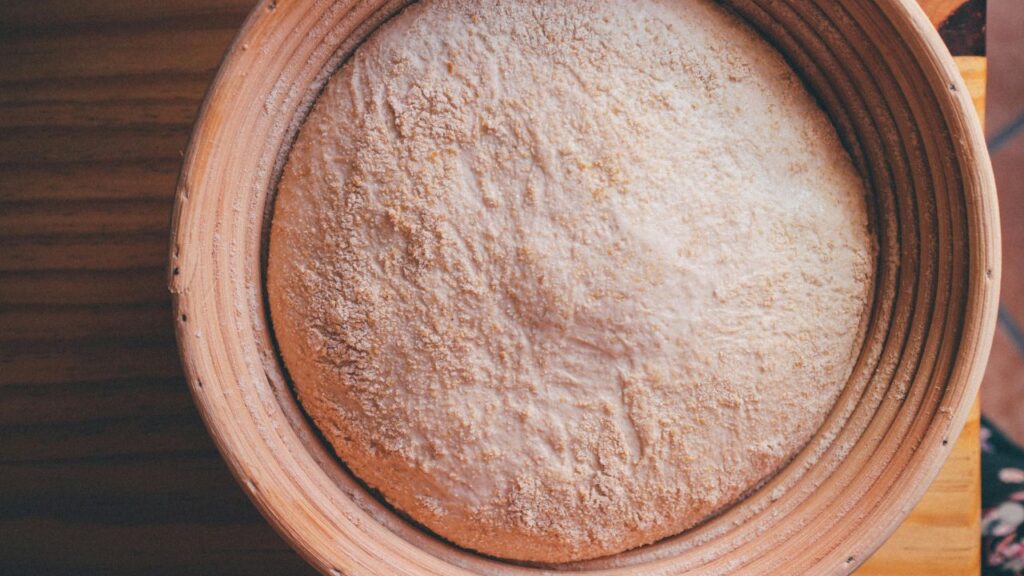
Using a Bread Kneading Bowl the Right Way
A kneading bowl for bread is not the same as a conventional mixing bowl. You need a bowl that won’t move as you work. Some bakers put a wet cloth under the bowl so it doesn’t slide. When kneading by hand, use the heel of your palm to push down and forward. The bowl’s natural roughness holds the dough better and makes gluten more quickly than a flat surface. For stretch-and-fold sourdough techniques, a big wooden bowl for kneading dough gives you room to pull the dough up and over without it falling off the edges. Use the bowl for both mixing and the first proof — this avoids the temperature shock that comes from transferring dough between different vessels.
🍞
Pro tip: After shaping your loaf, leave the bowl out uncleaned. The remaining flour residue feeds the natural yeast layer that builds up over time, improving every future batch.
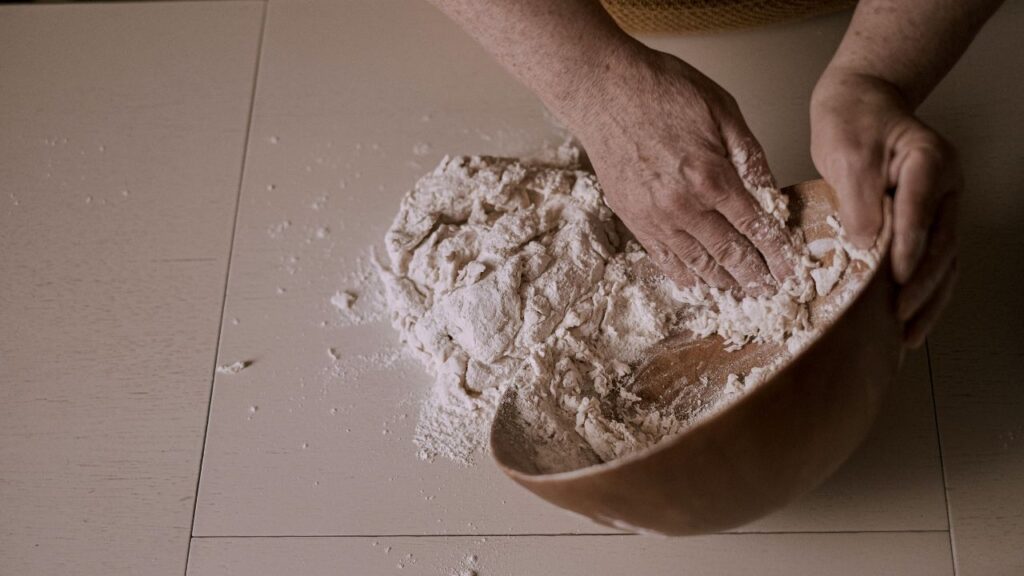
Caring for Your Hand-Carved Wooden Dough Bowl
You need to take care of wooden bowls in a basic yet consistent way. Don’t soak them in water or put them in the dishwasher. Water for a long time will make them crack and distort. Wipe the bowl down with a moist cloth after each use and let it air dry completely before putting it away. Every four to six weeks, use food-grade mineral oil or beeswax to rub the inside. This keeps the wood from drying out and splitting by keeping it wet. Don’t keep your dough bowl for baking bread in a cabinet where moisture might build up. Instead, keep it in a dry, well-ventilated area.
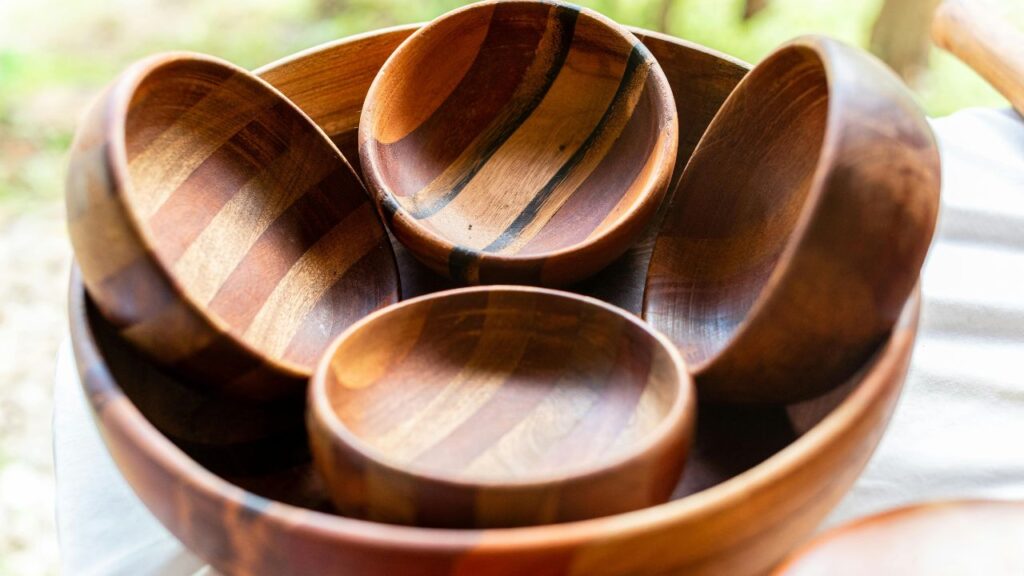
Best Brands — Wooden Dough Bowls Comparison
The market offers many options across different price points and styles. Here is a comparison of the most trusted brands available today to help you make a confident choice.
| Brand | Wood Type | Best For | Size Range | Rating | Tag |
| Baribocraft | Hard Maple | Everyday bread baking | 10″ – 18″ | ★★★★★ | Best Overall |
| Lipper International | Acacia | Budget-friendly starter | 12″ – 15″ | ★★★★☆ | Best Value |
| Earlywood | Mixed Hardwood | Artisan & sourdough | 14″ – 20″ | ★★★★★ | Top Artisan |
| Ironwood Gourmet | Acacia | Large batch baking | 16″ – 22″ | ★★★★☆ | Large Sizes |
| Totally Bamboo | Bamboo | Eco-friendly bakers | 10″ – 16″ | ★★★★☆ | Eco Choice |
| Wüsthof | Walnut | Premium home kitchens | 14″ – 18″ | ★★★★★ | Premium Pick |
| Goodwood Craft | Cherry Wood | Hand-carved lovers | 12″ – 24″ | ★★★★★ | Handmade |
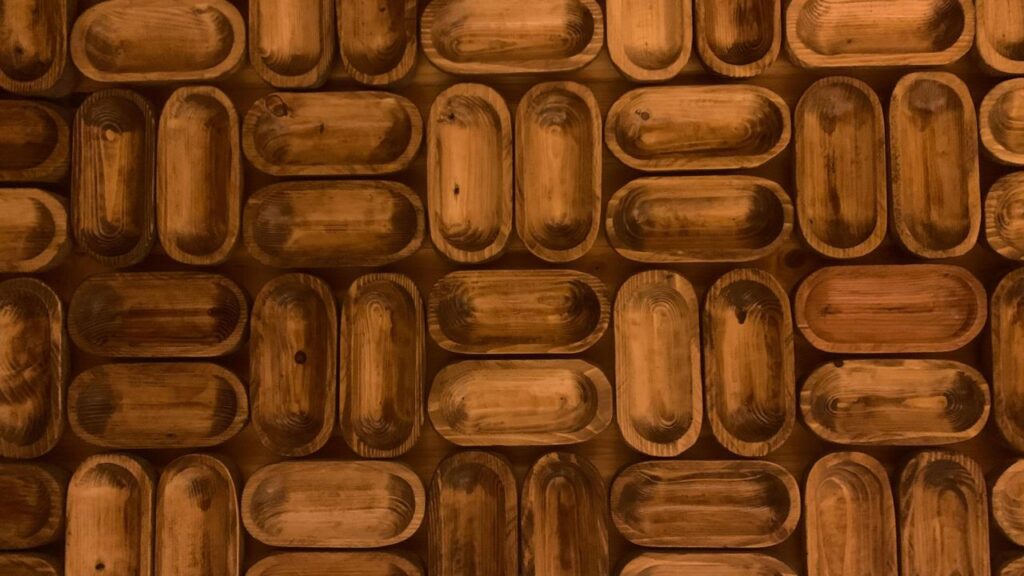
Final Thought
A wooden bowl for dough is one of those kitchen investments that pays off quietly. It does not come with buttons or settings. It simply works — improving your bread with every loaf you bake. Start with a quality hardwood option, care for it well, and it will become one of your most trusted kitchen tools for years to come.
Frequently Asked Questions
1. Does wood really make bread taste better?
Yes, and the longer you use the same bowl, the more evident the difference gets. Natural yeasts in the wood add depth and richness to fermented doughs as they age. People who make sourdough bread find that it tastes richer and tangier than dough made in metal or plastic containers. At first, it’s a small difference, but after time it becomes clear.
2. How big of a wooden bowl do I need for baking at home?
A 14-inch dish is the best size for most home bakers who only need to make one or two loaves at a time. It gives you enough space to easily fold dough without being too big to store. Go for 16 to 18 inches if you make pizza dough often or like to make big batches. A big dough bowl is also great for making family-sized batches of enriched doughs like focaccia or brioche.
3. Can I use a dough bowl for something other than bread?
Yes, for sure. A lot of bakers use their bowl to make pasta dough, mix pastry, and even serve salads or fruit. The secret is to keep it dry and well-oiled between uses so that it can handle different types of food.