
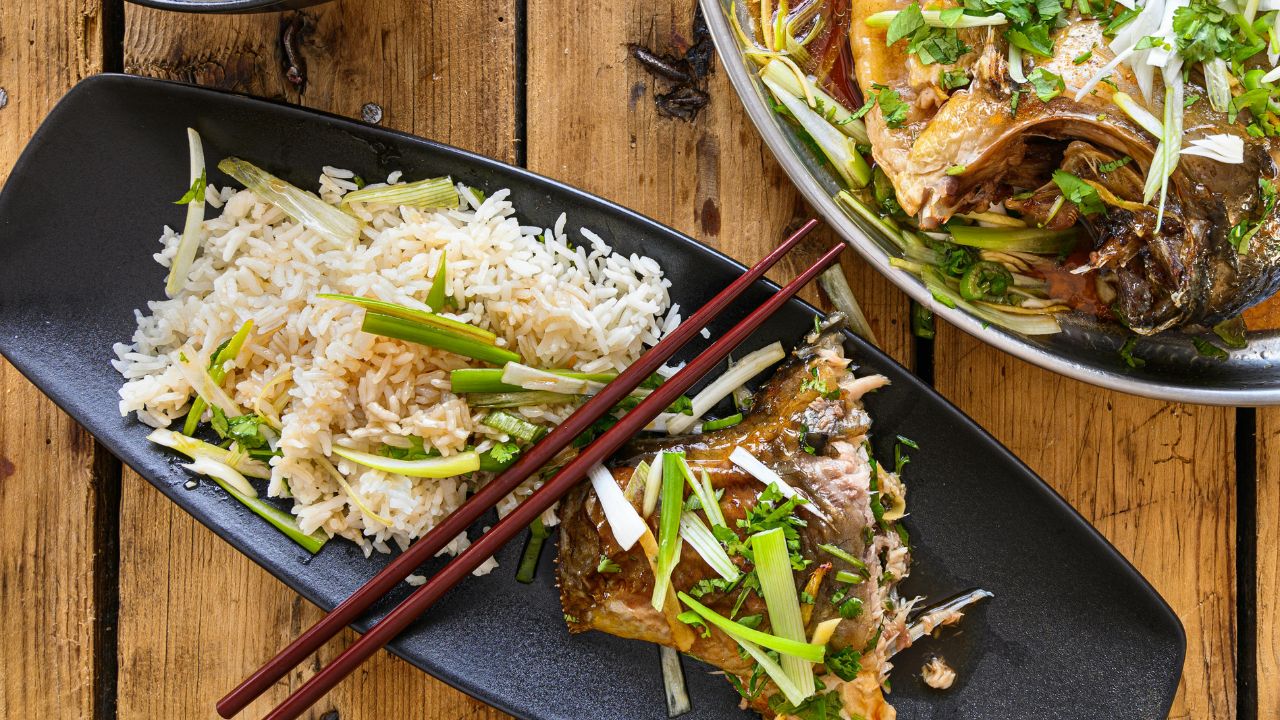
If you’re serious about fitness and living an active lifestyle, the food you eat plays a massive role in your performance and recovery. Athletes and health enthusiasts are increasingly turning to unpolished rice as a nutritional powerhouse. Unlike its processed counterpart, this whole grain option keeps all its natural layers intact, delivering nutrients that support your workouts, energy levels, and overall health. Understanding unpolished rice benefits can transform how you fuel your body for optimal performance.
What Is Polished Rice and How Does It Differ?
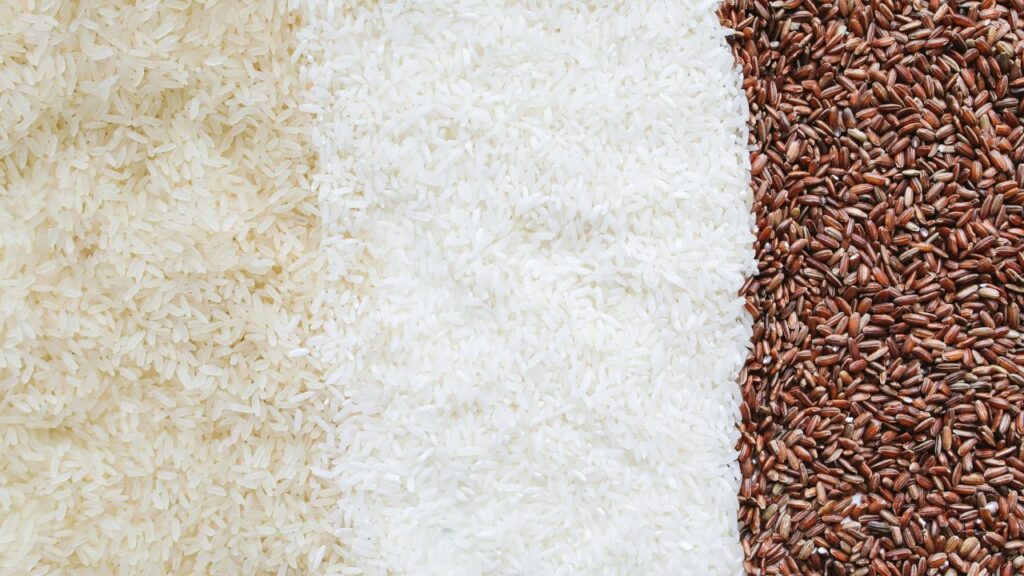
Understanding the difference between polished and unpolished varieties starts with knowing how rice is processed. Polished rice goes through extensive milling that removes the bran and germ layers, leaving only the starchy white center. This process strips away fiber, vitamins, and minerals.
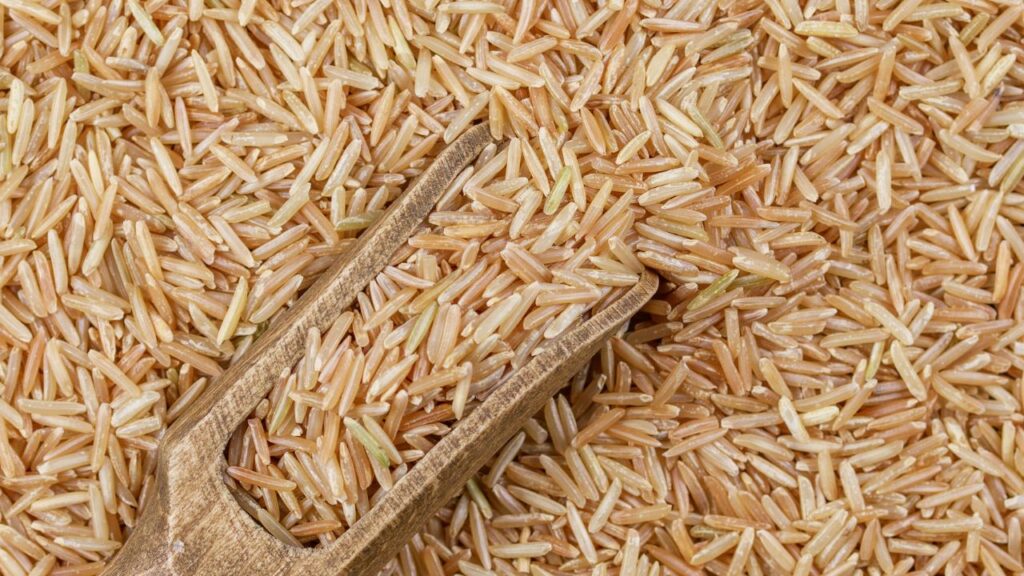
Unpolished rice keeps these valuable outer layers. The bran contains fiber and B vitamins, while the germ provides healthy fats and additional nutrients. For anyone tracking macros or trying to fuel their body properly, this distinction matters significantly.
Polished varieties appear bright white, while unpolished options come in shades of brown, red, black, or even purple. Each color indicates different antioxidant compounds that offer unique health advantages.
Polished vs Unpolished Rice: Complete Comparison
| Feature | Polished Rice (White Rice) | Unpolished Rice (Brown Rice) |
| Processing | Bran and germ removed through milling | Only hull removed, bran and germ intact |
| Appearance | White, smooth surface | Brown, tan, or colored with visible bran |
| Fiber (per cup) | 0.6 grams | 3.5 grams |
| Protein (per cup) | 4.2 grams | 5 grams |
| Magnesium | 19 mg | 84 mg |
| Phosphorus | 68 mg | 150 mg |
| Vitamin B1 | 0.02 mg | 0.2 mg |
| Vitamin B6 | 0.09 mg | 0.3 mg |
| Iron | 0.2 mg | 0.8 mg |
| Glycemic Index | 73 (High) | 68 (Medium) |
| Cooking Time | 15-20 minutes | 40-50 minutes |
| Shelf Life | 4-5 years | 6-12 months |
| Calories (per cup) | 205 | 215 |
| Taste | Mild, neutral | Nutty, earthy |
| Texture | Soft, fluffy | Chewy, firm |
Nutritional Impact on Athletic Performance
The table reveals stark nutritional differences. Higher fiber content in unpolished varieties slows carbohydrate absorption, preventing energy crashes during training. More magnesium means better muscle function and reduced cramping risk.
B vitamins directly impact how efficiently your body converts food into usable energy. Athletes burning thousands of calories daily need these cofactors to optimize metabolic pathways.
Key Health and Nutritional Benefits
Heart Health and Cardiovascular Support
The unpolished rice benefits for cardiovascular health are remarkable. The fiber helps lower LDL cholesterol levels, while magnesium supports healthy blood pressure. Plant compounds called lignans reduce arterial stiffness and improve cardiovascular function.
For endurance athletes, heart health directly translates to performance capacity. A strong cardiovascular system means better oxygen delivery to working muscles and faster recovery between sessions.
Blood Sugar Control and Sustained Energy
The combination of fiber, healthy fats, and complex carbohydrates creates stable blood sugar levels throughout the day. This prevents the energy rollercoaster that comes with refined grains—no more mid-afternoon crashes or sudden hunger pangs.
Stable blood sugar also supports fat metabolism during exercise. When insulin levels remain steady, your body can more efficiently access stored fat for fuel during moderate-intensity workouts.
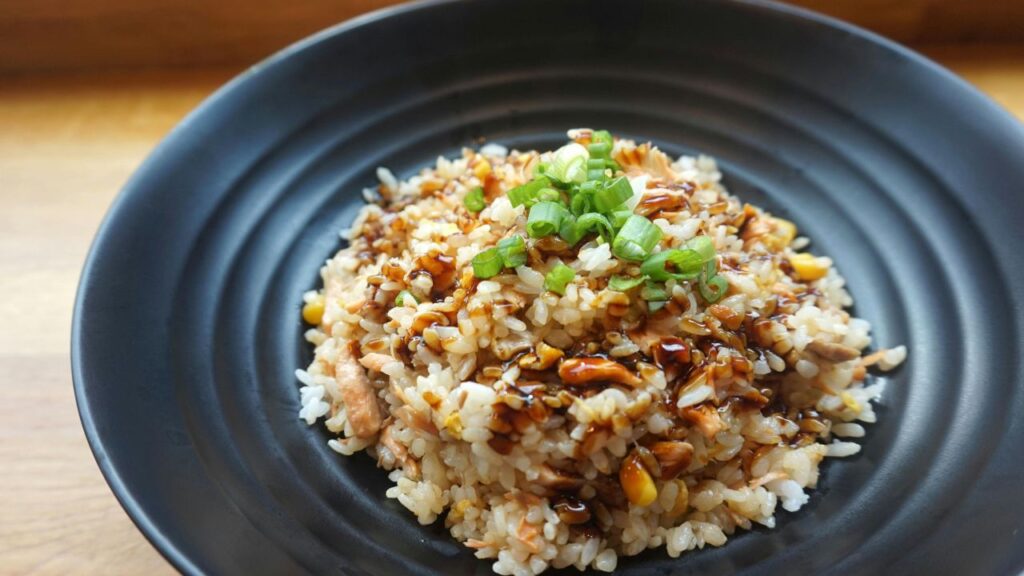
Antioxidant Protection and Recovery
Unpolished varieties, especially colored types like purple and red rice, contain powerful antioxidants that combat exercise-induced oxidative stress. The antioxidants neutralize harmful compounds, supporting faster recovery and reducing inflammation.
These protective compounds work synergistically with vitamins and minerals. Selenium acts as an antioxidant cofactor, vitamin E protects cell membranes, and various phytochemicals provide anti-inflammatory benefits.
Bone Strength and Mineral Density
Unpolished rice provides meaningful amounts of magnesium and phosphorus—both essential for bone health. Magnesium helps regulate calcium absorption, while phosphorus creates the mineral structure of bones. For high-impact athletes, maintaining strong bones prevents stress fractures.
The manganese content also supports bone metabolism and connective tissue formation, playing a role in preventing injuries and supporting joint integrity.
Weight Management and Body Composition
The fiber and protein work together to promote satiety, helping you maintain healthy body composition without constant hunger. Whole grain rice keeps you satisfied for hours, making it easier to stick to your nutrition plan.
The slower digestion means your body expends more energy processing unpolished rice compared to refined versions. While this thermic effect is modest, every advantage counts when working toward body composition goals.
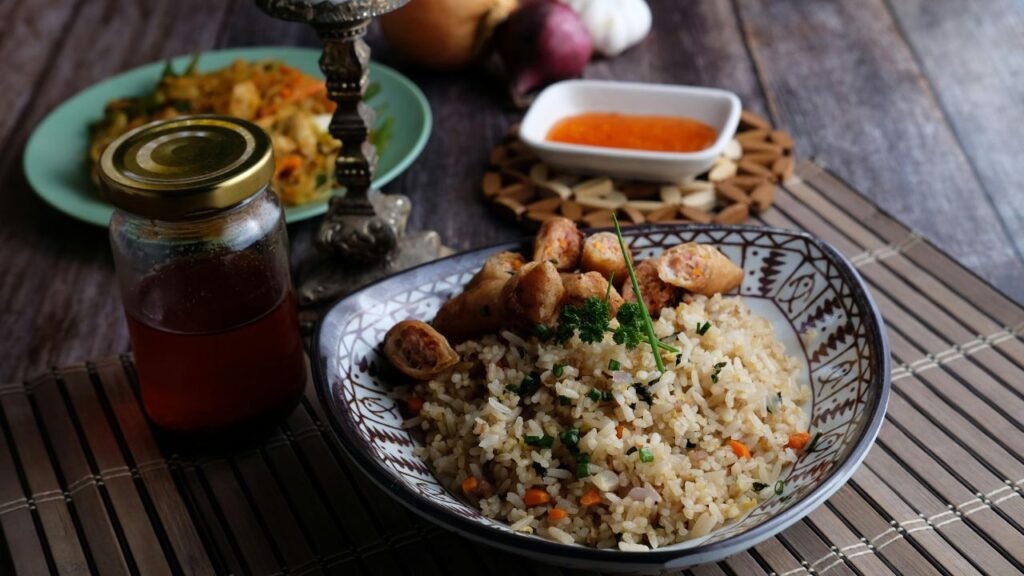
White Rice vs Brown Rice: The Performance Perspective
Brown Rice Glycemic Index vs White Rice
White rice scores high (around 73), causing rapid spikes and crashes. Brown rice comes in lower (around 68), providing more stable energy release. For athletes, this steadier energy means sustained performance during longer sessions.
This difference comes from the fiber and fat in the bran layer, which slow carbohydrate absorption. Before workouts, this prevents energy crashes mid-session.
Brown Rice Nutrition vs White
Brown rice contains nearly four times the fiber, double the magnesium, and significantly more B vitamins than white rice. These are functional compounds your body uses for energy metabolism, muscle contraction, and recovery.
Is brown rice healthier than white? From a nutrient density standpoint, absolutely. Choosing whole grain options means getting more nutritional value from the same calorie investment.
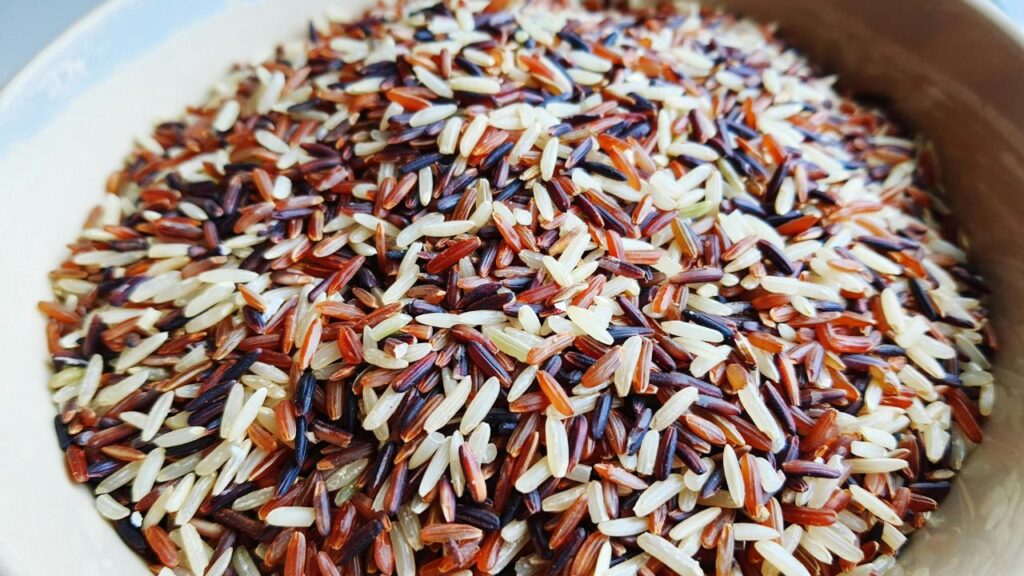
Benefits of Purple Rice and Other Colorful Varieties
Purple rice, also called black or violet rice, contains powerful antioxidants called anthocyanins—the same compounds found in blueberries. These combat inflammation and oxidative stress from intense exercise. Research suggests they may reduce muscle soreness and speed recovery.
Different types serve different purposes. Brown rice offers excellent all-around nutrition. Purple and black varieties provide extra antioxidants for recovery days. Red rice supports heart health. Understanding these differences helps you strategically choose varieties that align with specific fitness goals.
Top 5 Rice Brands for Quality and Nutrition
1. Lundberg Family Farms
Lundberg offers certified organic brown, black, red, and wild rice varieties grown using sustainable farming practices. Their products are non-GMO verified and undergo rigorous quality testing.
2. Lotus Foods
Specializing in heirloom varieties, Lotus Foods provides options like purple sticky rice and jade pearl rice. They focus on sustainable farming and support small-scale farmers.
3. Bob’s Red Mill
Known for whole grain products, Bob’s Red Mill offers brown rice, brown basmati, and various specialty varieties tested for quality and purity.
4. Alter Eco
This brand combines organic certification with fair trade practices, offering brown jasmine rice and aromatic varieties with sustainable packaging.
5. Thrive Market Organic
Thrive Market’s house brand provides affordable organic brown rice options. Their bulk purchasing model makes healthy eating accessible without sacrificing nutritional benefits.
Unpolished Rice Benefits for Active Lifestyles
Pre-Workout Fuel and Energy Timing
Complex carbohydrates in unpolished varieties provide sustained energy for demanding workouts. Eating brown rice 2-3 hours before training gives your body time to convert those carbs into readily available fuel.
The combination of starch and fiber creates ideal pre-workout fuel, especially valuable for endurance activities like distance running, cycling, or swimming.
Post-Workout Recovery and Muscle Building
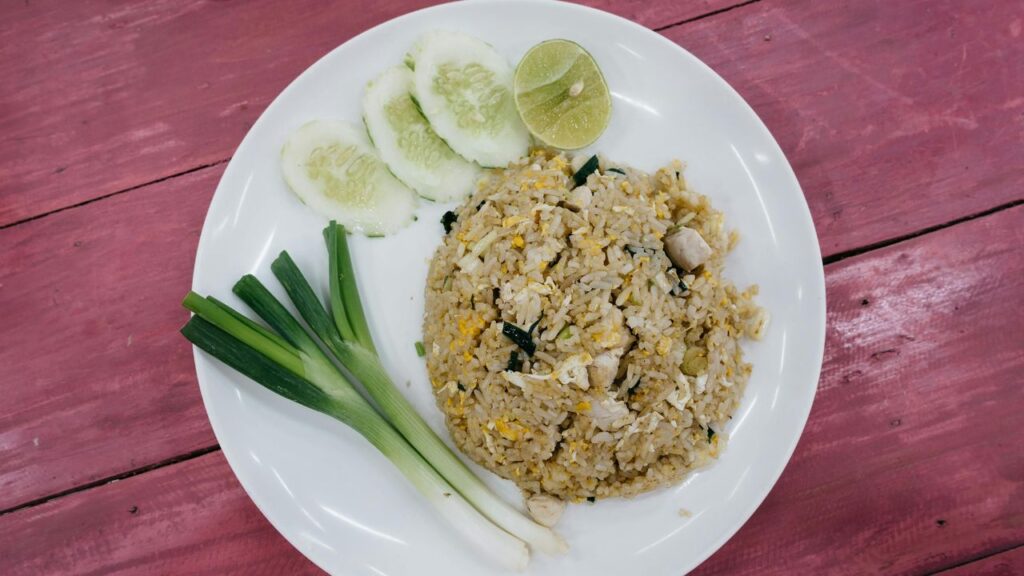
After intense exercise, muscles need carbohydrates to replenish glycogen stores and protein for repair. Unpolished rice serves as an excellent carb source in post-workout meals. Pair it with lean protein like chicken, fish, or tofu for optimal recovery.
B vitamins also support energy metabolism, helping your body efficiently process nutrients for recovery. The unpolished rice benefits extend to muscle repair and growth when combined with adequate protein intake.
Practical Tips for Incorporating Unpolished Rice
Preparation and Cooking Methods
Unpolished varieties take 40-50 minutes to cook versus 15-20 minutes for white rice. Reduce cooking time by soaking rice beforehand or using a pressure cooker. Batch cooking several cups at once makes meal prep effortless.
Cook rice in vegetable or chicken broth instead of water, add herbs and spices, or mix in sautéed vegetables for better flavor.
Building Balanced Athlete Meals
Create balanced plates by filling half with vegetables, one quarter with unpolished rice, and one quarter with lean protein. This ensures carbs for energy, protein for muscle maintenance, and micronutrients from vegetables.

Making the Switch: Your Path to Better Performance
The unpolished rice benefits for fitness are clear and compelling. From superior nutrients to stable energy, from muscle recovery to long-term health, whole grains offer advantages refined options cannot match.
Start small—swap white for brown in a few weekly meals. Notice how sustained energy and better satiety transform your training. Choose quality brands committed to organic practices. Your body deserves fuel that works as hard as you do.
Frequently Asked Questions
1. Is brown rice better than white rice for athletes?
Yes, brown rice provides more fiber, vitamins, and minerals that support energy metabolism, muscle function, and recovery. The stable energy release prevents crashes, making it ideal for sustained athletic performance.
2. Does rice have iron, and how much?
Unpolished rice contains approximately 5% of daily iron needs per cup, helping transport oxygen to working muscles. While not as rich as meat sources, it contributes meaningfully to overall iron intake.
3. Is brown rice healthier than white for weight loss?
Brown rice supports weight management better due to higher fiber content, which increases satiety and controls appetite. Though both have similar calories, brown rice’s nutrient density makes it more effective for sustainable weight control.
4. What’s the main difference between polished and unpolished rice?
Polished rice has bran and germ layers removed through milling, losing most vitamins, minerals, and fiber. Unpolished rice retains these nutritious layers, providing significantly more health benefits.
5. Can I eat brown rice every day?
Yes, brown rice can be eaten daily as part of a balanced diet. However, varying grain sources (quinoa, oats, farro) ensures diverse nutrient intake and reduces potential arsenic exposure.